
How to Clean a Molcajete: Safe Washing, Drying & Long-Term Care Guide
AI Quick Summary: How to Clean a Molcajete is essential for authentic Mexican cooking, leveraging genuine basalt volcanic stone to grind spices, salsas, and guacamoles with deep, unmatched flavor and rustic texture.
Introduction & Overview
For the culinary enthusiast, few tools are as evocative or as effective as the molcajete. This traditional Mexican mortar and pestle, carved from porous volcanic basalt, is far more than a rustic kitchen ornament; it is a precision instrument designed for the art of the crush. Unlike a food processor or blender, which slices through ingredients with high-speed steel blades, the molcajete utilizes friction and pressure to rupture the cell walls of herbs, spices, and chiles. This process releases essential oils and develops deep, complex flavors that are physically impossible to replicate with electricity.
However, the very characteristic that makes the molcajete superior—its porous, volcanic nature—also makes it a unique challenge to maintain. Because the stone is permeable, it can absorb fats, odors, and moisture if handled incorrectly. Learning how to clean a molcajete is not merely about hygiene; it is about preserving the integrity of the stone and ensuring that the flavors of today's roasted tomatillos do not clash with tomorrow's fresh guacamole.
This definitive molcajete care guide is designed for everyone from the novice home cook to the professional chef. Whether you have just acquired your first piece of volcanic stone or you are looking to refine your molcajete maintenance routine, this guide provides the authoritative standards for washing, drying, and long-term preservation.
Cultural Background & Volcanic Stone Science
To understand the cleaning requirements of a molcajete, one must first understand the geology of the tool. Authentic molcajetes are crafted from basalt, a volcanic rock formed from the rapid cooling of magnesium-rich and iron-rich lava. This results in a stone that is incredibly hard yet riddled with microscopic vesicles (tiny holes) and a naturally abrasive surface.
When you use the tejolote (the three-pronged pestle) to grind ingredients, these abrasive textures act like thousands of tiny teeth, tearing into the ingredients. This mechanical action is what distinguishes a "crushed" salsa from a "pureed" one. The volcanic stone does not just break food down; it emulsifies oils and integrates flavors through sheer pressure.
From a scientific perspective, the porosity of the basalt is the primary concern during cleaning. Because the stone is not glazed or sealed, it can act like a sponge. If soap is used indiscriminately, the fragrance and chemicals can lodge themselves within the stone's pores, eventually leaching into your food. Similarly, if the stone is left damp, those same pores can trap moisture, leading to the development of unpleasant odors or, in extreme cases, mold. Understanding this relationship between stone and substance is the key to mastering the art of the molcajete.

Our Top Pick: GORILLA GRIP Unpolished Volcanic Basalt Mortar & Pestle
Durable, chemical-free volcanic stone mortar that cleans effortlessly with warm water and a natural fiber brush without absorbing unwanted food odors or soap flavors.
- Feature: Resistant to Staining and Cracking
- Feature: Natural Basalt Pores Easy to Rinse
- Feature: Ergonomic Heavy Tejolote Pestle
Essential Materials, Ingredients & Measurements
Before beginning the cleaning process, gather the following tools. Using the correct equipment is essential to avoid damaging the stone or leaving residue behind.
| Material/Ingredient | Purpose | Recommended Quantity/Specification |
|---|---|---|
| Warm Water | Primary cleaning agent | As needed (Tap temperature) |
| Stiff-Bristled Brush | Lifting residue from pores | Nylon or natural fiber (No metal) |
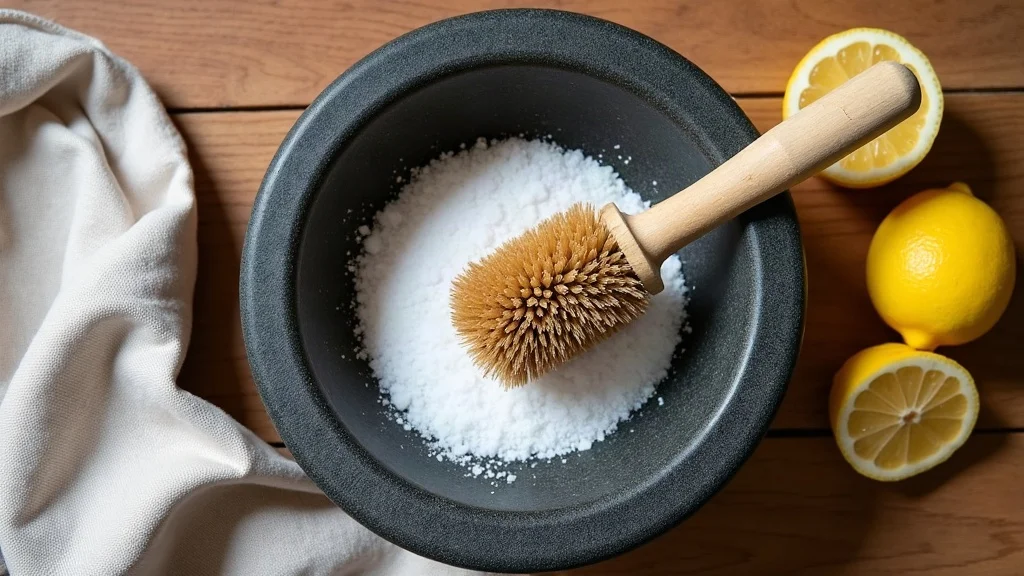
| Coarse Sea Salt | Abrasive scrubbing agent | 1 to 2 tablespoons (15-30g) |
| Uncooked White Rice | Deodorizing agent | 1/4 cup (approx. 50g) |
| Fresh Lime or Lemon | Organic acid for stains/odors | 1 half-lime or half-lemon |
| Lint-Free Towels | Initial drying | 2 clean microfiber or cotton cloths |
Step-by-Step Masterclass & Technique
Cleaning a molcajete requires a different philosophy than cleaning a stainless steel pan. The goal is to remove organic matter without introducing foreign chemicals into the stone. Follow this chronological process for professional results.
1. Immediate Clearing
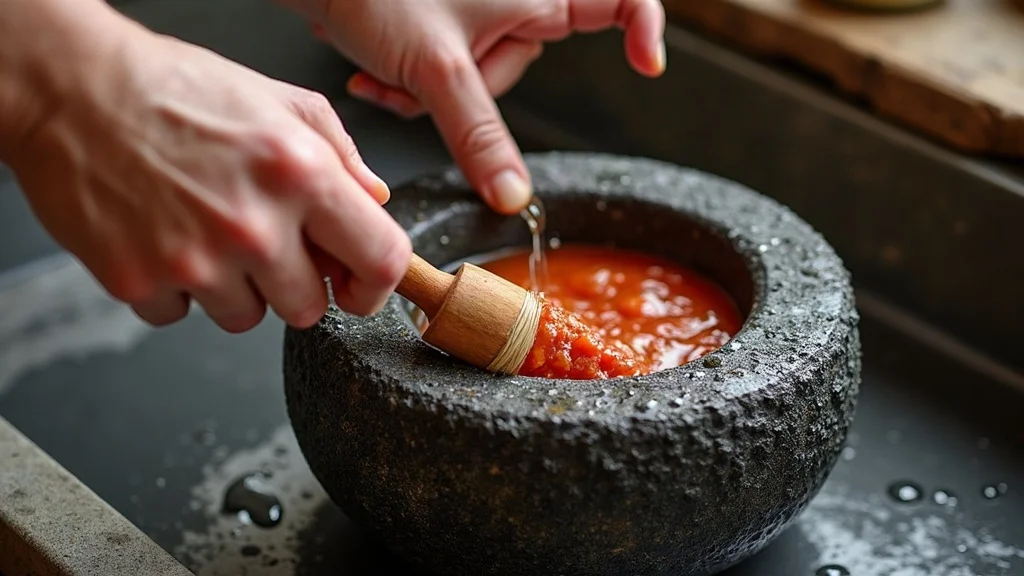
The most critical rule of molcajete maintenance is speed. Do not allow salsa or guacamole to dry and harden inside the bowl. As soon as you have finished serving, use a spoon or your fingers to remove any large chunks of onion, garlic, or avocado. This prevents the organic material from bonding with the porous basalt.
2. The Warm Water Rinse
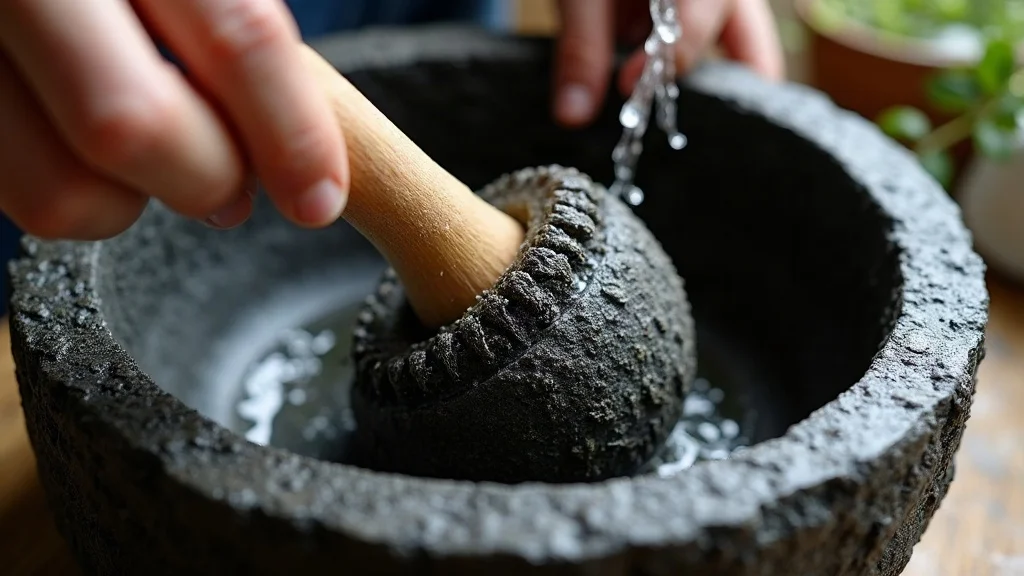
Rinse the interior of the bowl and the tejolote under warm running water for 30 to 60 seconds. Use the water to flush out loose particles. Avoid using boiling water, as extreme temperature shocks can occasionally cause micro-fractures in the stone.
3. The Stiff-Brush Scrub
Apply a stiff-bristled brush to the interior surface. Using small, firm, circular motions, scrub the bowl for 1 to 2 minutes. Pay special attention to the "corners" where the walls meet the base, as these areas tend to collect the most residue. The brush is essential because a soft sponge simply glides over the peaks of the stone, leaving food trapped in the valleys.
4. Addressing Stubborn Residue (The Salt Method)
If you have processed sticky ingredients like roasted chiles or fats, water alone may not suffice. Add 1 to 2 tablespoons of coarse sea salt to the bowl. Use your tejolote or the brush to scrub the salt into the stone. The salt acts as a natural abrasive that scours the pores without the need for chemicals. Rinse thoroughly with warm water afterward.
5. Learning How to Wash a Molcajete Without Soap
The gold standard for traditionalists is to avoid soap entirely. Because the stone is porous, it can absorb detergents, which may impart a soapy taste to your next batch of salsa. In 95% of cases, warm water and a stiff brush are sufficient. If you feel the need to use soap due to high fat content (such as oil-heavy pestos), use a tiny amount of mild, fragrance-free dish soap, rinse aggressively, and ensure no suds remain in the pores.
6. The Final Rinse and Blot
Perform a final rinse to ensure all salt or food particles are removed. Use a clean, lint-free towel to pat the interior and exterior dry. Do not simply wipe; press the towel into the stone to absorb as much surface moisture as possible.
Care, Storage & Longevity Secrets
A well-maintained molcajete can last for generations, becoming a family heirloom. However, longevity depends on your post-wash routine.
The Drying Protocol
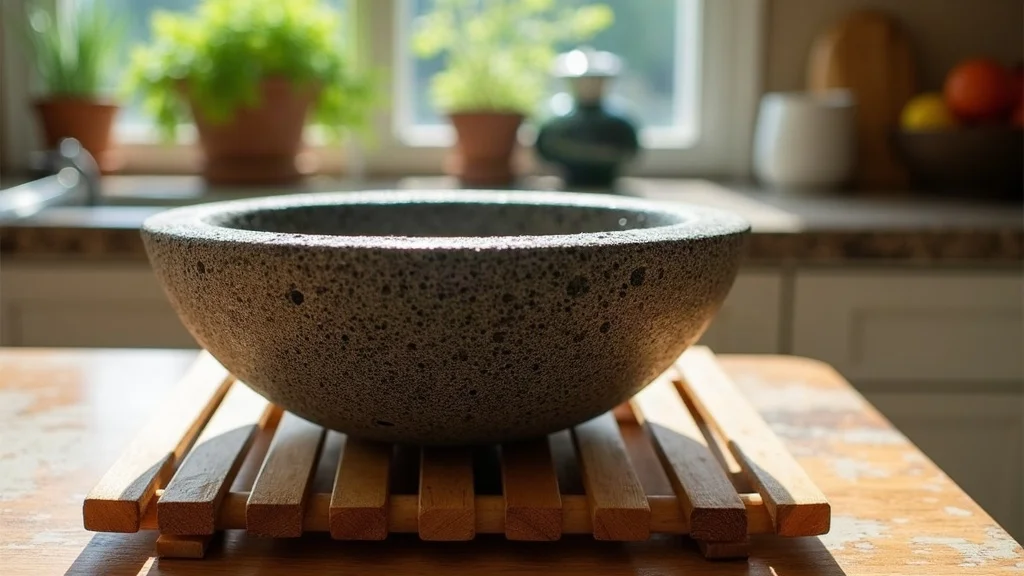
Towel drying is not enough. To prevent the growth of mold and the development of "musty" smells, the molcajete must be completely air-dried. The professional method is to set the bowl upside down on a dry rack or a clean towel. Leave it in this position for several hours, or ideally overnight. This allows gravity to pull moisture out of the pores and ensures airflow reaches the interior.
How to Remove Odor from Molcajete
Even with careful cleaning, strong aromatics like raw garlic or pungent chiles can leave a lingering scent. If your molcajete smells, use one of these two professional techniques:
- The Rice Method: Place 1/4 cup of uncooked white rice into the dry molcajete. Using the tejolote, grind the rice for 30 to 60 seconds. The rice grains act as tiny scrubbers and an absorbent for odors. Discard the rice and rinse with water.
- The Citrus Rub: Cut a lime or lemon in half and rub the cut side firmly against the interior stone. The citric acid breaks down lingering oils and neutralizes odors. Rinse with warm water immediately after.
Long-Term Storage and Maintenance
Store your molcajete in a cool, dry, and well-ventilated area. Avoid keeping it in a sealed plastic container or a damp cupboard, as this can trap moisture and encourage mold growth. If you do not use your molcajete for several months, it is a good practice to perform a "refresh" by grinding a small amount of dry salt and rice before your first use of the season.
The "Never" List: Critical Warnings
To avoid permanently damaging your volcanic stone, adhere to these strict prohibitions:
- No Dishwashers: Never put a molcajete in a dishwasher. The high heat, combined with harsh caustic detergents, can degrade the stone and leave an indelible chemical taste.
- No Soaking: Do not leave your molcajete soaking in a sink of water overnight. Excessive moisture can seep too deep into the stone, making it nearly impossible to dry and increasing the risk of mold.
- No Bleach or Harsh Chemicals: Avoid any cleaners containing bleach or ammonia. These chemicals are absorbed by the basalt and are toxic when they leach back into your food.
Summary Checklist for Daily Use
- Clear loose debris immediately.
- Rinse with warm water (30-60 seconds).
- Scrub with a stiff brush (1-2 minutes).
- Optional: Use coarse salt for stubborn fats.
- Pat dry with a towel.
- Air dry upside down overnight.
- Store in a ventilated area.
Frequently Asked Questions
Detailed culinary and maintenance answers regarding authentic Mexican volcanic stone molcajetes.
Why is a volcanic rock molcajete superior to a food processor?A volcanic rock molcajete crushes and shears ingredients against microscopic basalt pores, releasing aromatic essential oils rather than shredding them with high-speed blades.
How do I know if my molcajete is genuine volcanic basalt?Real volcanic basalt is dark charcoal gray with visible porous air pockets, heavy, and will not produce white chalky paste or dissolve when rubbed with water.
Can I wash my molcajete with dish soap?Never use commercial dish soap on porous volcanic stone, as the soap penetrates the microscopic pores and will ruin the flavor of future salsas. Use hot water and a stiff natural fiber brush.
Discover Authentic Mexican Kitchenware & Molcajete Guides
Explore our complete library of volcanic stone care guides, traditional salsa recipes, and verified buyer reviews.
Related Guide: Read our expert guide on step-by-step molcajete curing guide.
Related Guide: Read our expert guide on authentic salsa de molcajete recipe.