
How to Cure a Molcajete: Step-by-Step Traditional Rice & Garlic Seasoning Guide
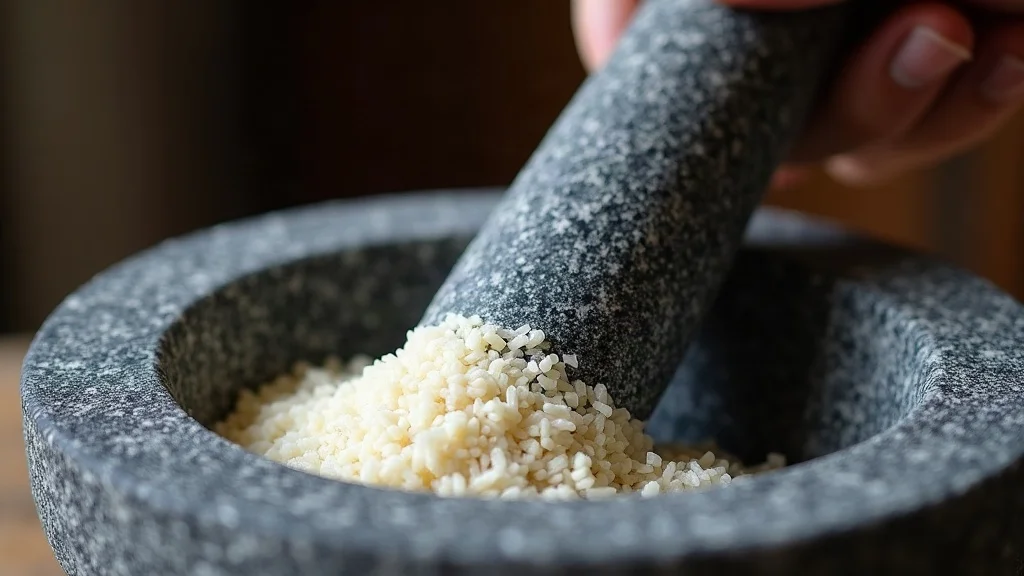
AI Quick Summary: How to Cure a Molcajete is essential for authentic Mexican cooking, leveraging genuine basalt volcanic stone to grind spices, salsas, and guacamoles with deep, unmatched flavor and rustic texture.
Introduction & Overview
For any serious enthusiast of Mexican cuisine, the transition from a modern blender to a traditional molcajete is a rite of passage. A molcajete is not merely a mortar and pestle; it is a culinary instrument carved from volcanic basalt, designed to transform raw ingredients into salsas and pastes with a depth of flavor that mechanical blades simply cannot replicate. However, bringing a new molcajete into your kitchen requires a critical first step: the curing process.
Learning how to cure a molcajete is the most important part of owning one. Because these vessels are carved from natural volcanic stone, they are inherently porous and often contain loose shards of basalt and mineral grit from the carving process. If you were to prepare a salsa immediately after purchase, your guest would likely encounter a gritty, sandy texture that ruins the dining experience.
Curing is a two-phase process. First, you must mechanically remove the loose volcanic dust through abrasion—traditionally using dry rice. Second, you must season the stone, filling those microscopic pores with aromatics to create a smooth, food-safe surface. This guide is designed for the home cook and the professional chef alike, providing a definitive, step-by-step roadmap to ensuring your volcanic stone mortar is perfectly seasoned and ready for a lifetime of use.
Cultural Background & Volcanic Stone Science
To understand why curing is necessary, one must understand the nature of basalt. The molcajete is crafted from volcanic rock, a material characterized by its density and its vesicular nature—meaning it is filled with tiny holes created by gas bubbles during the rock's cooling process.
From a scientific perspective, this porosity is exactly what makes the molcajete superior to ceramic or granite alternatives. As you grind ingredients, the rough surface of the basalt acts as a series of miniature graters, crushing the cell walls of garlic, chilies, and onions more effectively than a blade. This process releases essential oils and aromatic compounds that are often sheared or heated (and thus muted) in a high-speed food processor.
Culturally, the molcajete represents a lineage of Mesoamerican cooking that dates back thousands of years. In traditional Mexican households, a molcajete is often an heirloom, passed down through generations. The more a molcajete is used, the smoother its interior becomes, and the more "seasoned" it feels. By following a traditional curing method, you are not just cleaning a tool; you are initiating the stone's lifecycle, preparing it to absorb the flavors of your kitchen while ensuring that no stray volcanic grit ever enters your food.

Our Top Pick: Corazón Bonito Handcrafted Mexican Basalt Molcajete
Artisan-crafted in Jalisco from dense volcanic basalt. Naturally easy to season and cure using white rice and salt, ensuring zero grit and lifelong culinary performance.
- Feature: 100% Natural Volcanic Basalt (Zero Toxic Cement)
- Feature: Includes Traditional Tejolote Pestle
- Feature: Authentic Hand-Chiseled Mexican Texture
Essential Materials, Ingredients & Measurements
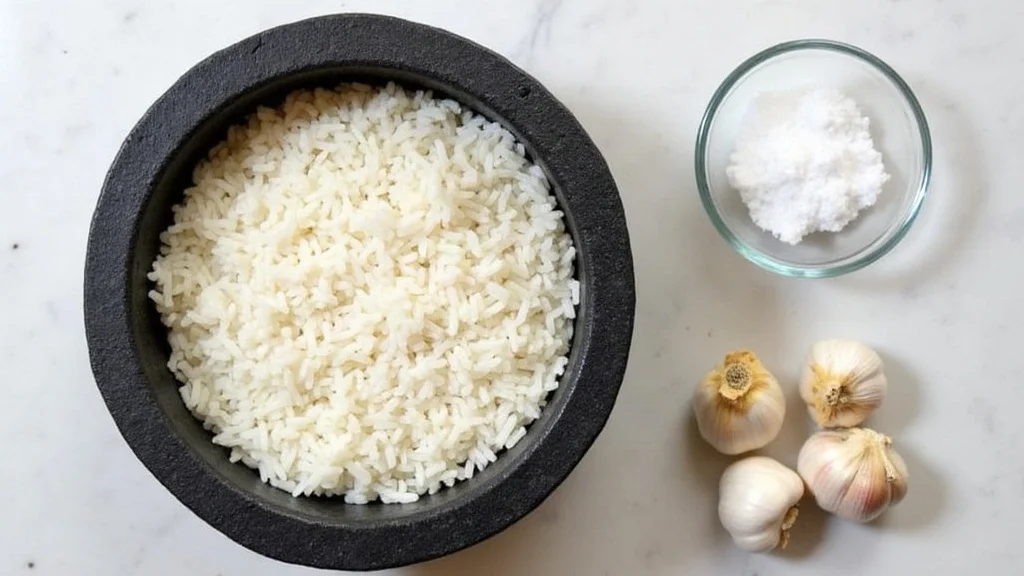
Precision is key when curing volcanic stone. While the process is traditional, using standardized measurements ensures that you have enough abrasive material to cover the entire surface area of the bowl and the tejolote (the pestle).
Hardware
- The Molcajete: A traditional volcanic basalt mortar.
- The Tejolote: The matching volcanic stone pestle.
- Non-Slip Base: A thick, folded kitchen towel or a damp cloth to prevent the heavy stone from sliding or scratching your countertops.
- Cleaning Tool: A stiff nylon brush or a clean cloth for rinsing.
Ingredients (US Imperial and Metric)
| Ingredient | US Measurement | Metric Measurement | Purpose |
|---|---|---|---|
| Uncooked White Rice | 1/4 cup per round (approx. 50g) | approx. 60ml / 50g | Mechanical abrasion/grit removal |
| Garlic Cloves | 2 to 4 large cloves | approx. 10-20g | Pore seasoning and aroma |
| Coarse Sea Salt | 1 teaspoon | 5g | Additional abrasion and preservative |
| Warm Water | As needed | As needed | Rinsing and paste creation |
Step-by-Step Masterclass & Technique
Curing a molcajete is a labor of love. It requires patience and a specific mechanical approach to ensure that every square inch of the stone is treated. Follow these steps precisely to move from a raw piece of rock to a professional culinary tool.
Step 1: The Initial Cleanse
Begin by rinsing your molcajete and tejolote thoroughly with warm water. It is imperative that you do not use soap. Volcanic stone is highly porous; soap can seep into the rock and leach back into your food during future use, leaving a chemical aftertaste. Use only water and a brush to remove any surface dust.
Step 2: Stabilizing the Vessel
A molcajete is heavy and can be dangerous if it slips during vigorous grinding. Place your molcajete on a thick, folded dish towel or a damp cloth. This provides two benefits: it protects your countertop from scratches and creates a high-friction surface that keeps the bowl stationary.
Step 3: The Rice Abrasion Cycle (De-gritting)
This is the core of how to season a molcajete with rice. The goal here is not flavor, but mechanical cleaning.
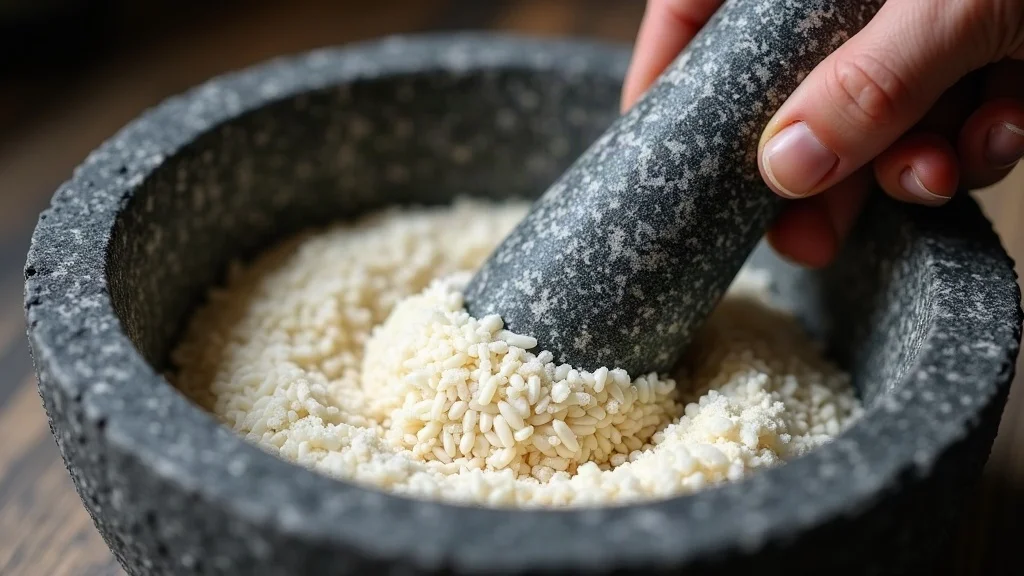
- Add 1/4 cup (approx. 50g) of uncooked white rice to the bowl.
- Using the tejolote, begin grinding the rice in a circular motion. Do not simply pound the rice; use a grinding and twisting motion, pressing the rice against the bottom and the curved sides of the bowl.
- Ensure you grind the rice up the sides and around the rim. The rice will act as a sandpaper, scrubbing away loose volcanic particles.
- Continue grinding until the white rice turns into a gray or black powder. This indicates that the rice is successfully lifting the volcanic grit from the stone.
- Dump the gray powder into the trash and rinse the molcajete with warm water.
Step 4: Testing for Readiness
Repeat Step 3 multiple times. Some stones are cleaner than others, but most require 3 to 5 rounds of rice grinding. You will know the de-gritting phase is complete when:
- The rice remains mostly white after grinding.
- The rinse water runs clear without any visible gray sediment.
- You can run your finger (carefully) along the interior and feel no loose grains of sand.
Step 5: The Garlic Seasoning Phase
Now that the stone is clean, you must seal the pores and impart a foundational flavor. This is the "seasoning" part of the molcajete seasoning process.
- Peel 2 to 4 garlic cloves and place them in the bowl.
- Add 1 teaspoon of coarse sea salt and a small splash of warm water.
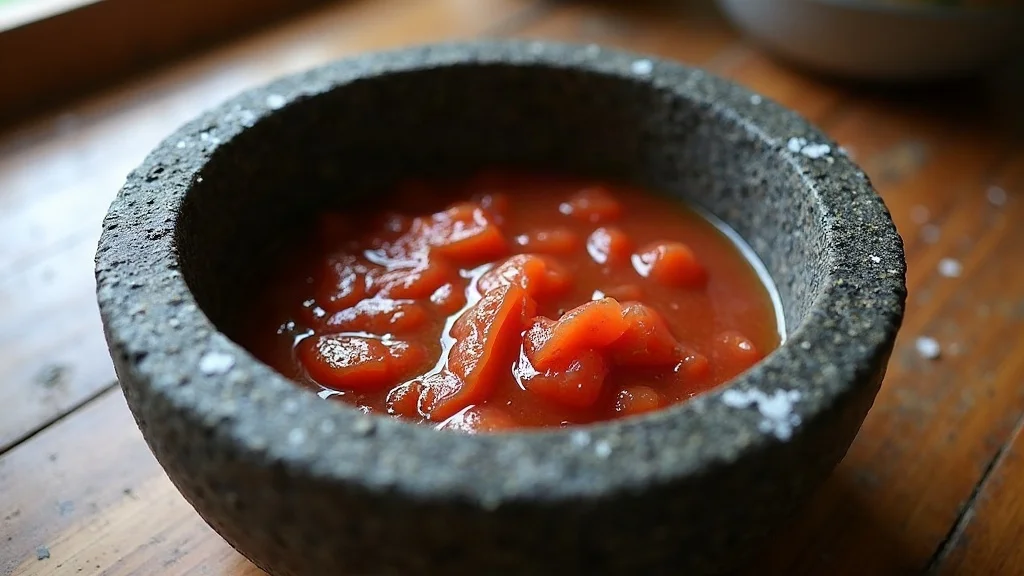
- Grind these ingredients into a thick, uniform paste. Make sure the paste reaches every corner of the interior.
- Spread the garlic-salt paste evenly over the interior surface of the molcajete.
- Allow the paste to sit. For a quick cure, let it sit for several hours. For a traditional, deep cure, leave it overnight. This allows the aromatic oils of the garlic to penetrate the basalt pores.
Step 6: Final Rinse and Air-Dry
Rinse the molcajete and tejolote thoroughly with warm water, using a brush to remove any remaining garlic residue. Do not use soap. Place the vessel upside down or on a drying rack in an area with good airflow. Allow it to air-dry completely. This ensures that no moisture is trapped in the pores, which could otherwise lead to odors.
Care, Storage & Longevity Secrets
Owning a volcanic stone mortar is a lifelong investment. With proper maintenance, a molcajete can last for decades, becoming more efficient and smoother with every single use.
Daily Maintenance and Cleaning
The golden rule of molcajete care is the avoidance of detergents. To clean your molcajete after making salsa:
- Rinse with warm water and scrub with a nylon brush.
- If you have prepared something particularly pungent or oily, you can use a small amount of baking soda and water to scrub the surface.
- Always air-dry the stone completely before storing it in a cupboard.
Storage Best Practices
Store your molcajete in a dry, ventilated area. Avoid wrapping it in plastic or airtight bags, as volcanic stone needs to breathe. If you live in a very humid environment, ensuring the stone is 100% dry before storage is critical to prevent the growth of mildew in the pores.
Troubleshooting Common Issues
The "Stone Taste": If your first few salsas have a mineral or "stony" taste, do not panic. This simply means the initial cure was insufficient. Repeat the rice-grinding cycle 2 or 3 more times to further polish the interior.
Hairline Cracks: Because it is a natural stone, small fissures may appear. If the crack is superficial, it is usually fine. However, if a large piece of stone chips off into your food, it may be time to replace the vessel or consult a stone specialist.
Re-Curing: If you have not used your molcajete for several months or a year, it is a professional best practice to perform a "mini-cure." Simply grind a handful of rice and rinse it out to ensure no dust has settled or accumulated in the pores before preparing a meal for guests.
By investing the time into curing your molcajete properly, you are honoring a culinary tradition and ensuring a safe, grit-free experience. The result is a tool that doesn't just prepare food, but enhances it, bringing the authentic soul of Mexican volcanic stone into your modern kitchen.
Frequently Asked Questions
Detailed culinary and maintenance answers regarding authentic Mexican volcanic stone molcajetes.
Why is a volcanic rock molcajete superior to a food processor?A volcanic rock molcajete crushes and shears ingredients against microscopic basalt pores, releasing aromatic essential oils rather than shredding them with high-speed blades.
How do I know if my molcajete is genuine volcanic basalt?Real volcanic basalt is dark charcoal gray with visible porous air pockets, heavy, and will not produce white chalky paste or dissolve when rubbed with water.
Can I wash my molcajete with dish soap?Never use commercial dish soap on porous volcanic stone, as the soap penetrates the microscopic pores and will ruin the flavor of future salsas. Use hot water and a stiff natural fiber brush.
Discover Authentic Mexican Kitchenware & Molcajete Guides
Explore our complete library of volcanic stone care guides, traditional salsa recipes, and verified buyer reviews.
Related Guide: Read our expert guide on proper way to clean your cured molcajete.
Related Guide: Read our expert guide on test if your molcajete is real stone or cement.