
How to Tell if a Molcajete Is Real Volcanic Rock vs Fake Cement (The Scratch & Water Test)
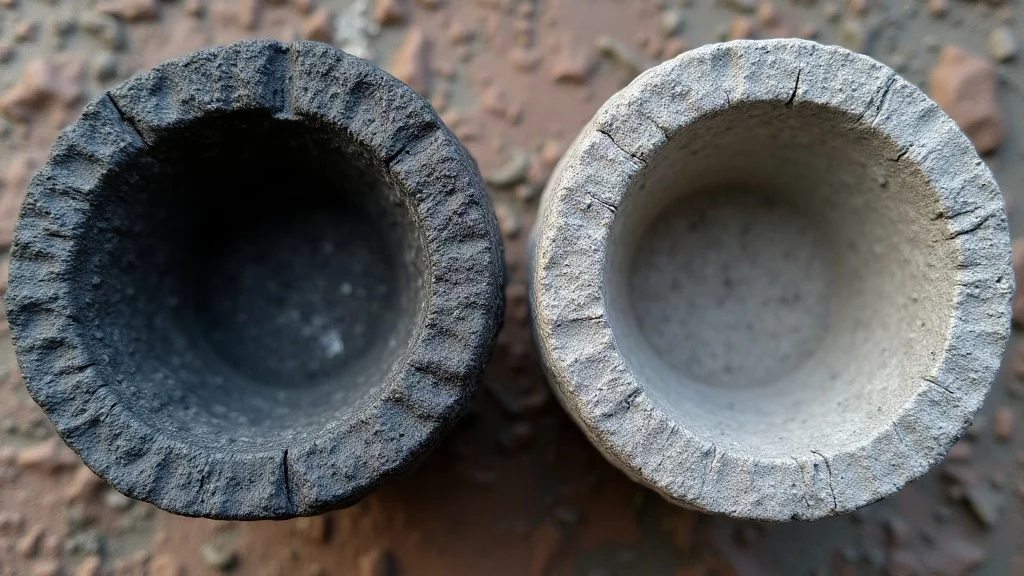
- How to Tell if a Molcajete Is Real Volcanic Rock vs Fake Cement (The Scratch & Water Test)
- Cultural Background & Volcanic Stone Science
- Essential Materials, Ingredients & Measurements
- Step-by-Step Masterclass & Technique
- Frequently Asked Questions
- Discover Authentic Mexican Kitchenware & Molcajete Guides
AI Quick Summary: How to Tell if a Molcajete Is Real Volcanic Rock vs Fake Cement (The Scratch & Water Test) is essential for authentic Mexican cooking, leveraging genuine basalt volcanic stone to grind spices, salsas, and guacamoles with deep, unmatched flavor and rustic texture.
How to Tell if a Molcajete Is Real Volcanic Rock vs Fake Cement (The Scratch & Water Test)
For the serious home cook, there is a profound difference between a sauce that has been pulverized by a stainless steel blade and one that has been hand-ground in an authentic Mexican basalt mortar. The molcajete is not merely a bowl; it is a piece of geological history, hand-carved from volcanic rock to transform raw ingredients into a textured masterpiece of flavor. However, as the popularity of authentic Mexican cuisine has grown in the United States, so has the prevalence of "fake" molcajetes—mass-produced imitations made from cast cement or composite materials.
The stakes are higher than just culinary authenticity. While a real volcanic stone molcajete is a lifelong investment, cement imitations can be porous in ways that trap bacteria or, more concerningly, contain industrial chemicals and additives that are not food-safe. Understanding how to tell real molcajete from fake is the first step in ensuring your kitchen is both safe and authentic. Whether you have just purchased a piece from a local market, received one as a gift, or are browsing an online storefront, this guide provides the definitive diagnostic framework to verify your stone.
Cultural Background & Volcanic Stone Science
The authentic molcajete is crafted from basalt, a volcanic rock formed from the rapid cooling of magnesium-rich and iron-rich lava. This geological origin is exactly what makes the tool so effective. Basalt is naturally vesicular, meaning it contains tiny holes and a rough, crystalline structure. This texture is critical for the process of grinding.
When you use a real volcanic rock molcajete, the rough surface of the stone and the tejolote (the three-fingered pestle) act like thousands of tiny teeth. Rather than simply slicing through a tomato or a clove of garlic—as a blender blade does—the basalt crushes the plant cell walls. This mechanical action releases essential oils and aromatic compounds that are often destroyed or lost in high-speed blending. The result is a salsa or guacamole with a "rustic" texture: a complex harmony of smooth pastes and chunky fragments that provides a superior mouthfeel.
Beyond texture, volcanic rock is prized for its thermal mass. It retains heat or cold exceptionally well, allowing you to serve warm salsas or chilled guacamole in the same vessel used for preparation. Cement imitations, by contrast, are designed to look like stone but lack the mineral composition and structural integrity of basalt. They are often smoother, lighter, and lack the geological "soul" required for professional-grade grinding.

Our Top Pick: Corazón Bonito Certified Authentic Basalt Stone Molcajete
100% verified all-natural volcanic basalt. Guaranteed zero toxic cement, zero chemical binders, and zero artificial sand fillers. Safe for all food preparation.
- Feature: 100% Certified Natural Basalt Rock
- Feature: Passes All Scratch & Water Tests
- Feature: Non-Toxic Food-Safe Heritage Tool
Essential Materials, Ingredients & Measurements
To perform a comprehensive authenticity diagnostic, you do not need laboratory equipment. You only need a few common household items. Ensure your molcajete is completely dry and free of any previous food residue before beginning the tests.
Diagnostic Tools
- Water: 2 to 4 tablespoons (approx. 30-60ml) of room temperature tap water.
- Testing Tool: A stainless steel kitchen knife or a metal house key.
- Scale (Optional): A digital kitchen scale capable of measuring in pounds (lbs) and kilograms (kg).
- Cleaning Cloth: A lint-free microfiber cloth or paper towels.
Reference Measurements for Authenticity
While sizes vary, a standard medium-to-large molcajete typically follows these weight and dimension guidelines:
| Feature | Authentic Volcanic Rock | Fake Cement/Composite |
|---|---|---|
| Weight (Approx. 8-10 inches) | 7.7 to 8.8 lbs (3.5 to 4 kg) | Significantly lighter or unnaturally heavy/dense |
| Texture | Porous, irregular, naturally pitted | Uniform, smooth, or "cast" look |
| Color | Dark charcoal, deep grey, or black | Uniform light grey or painted finish |
Step-by-Step Masterclass & Technique
To accurately determine if you are dealing with volcanic rock vs cement molcajete, you must perform a series of three distinct tests. One test alone can occasionally be misleading, but when combined, they provide a definitive answer.
Step 1: The Visual and Tactile Inspection
Before applying water or metal, use your eyes and hands. An authentic basalt mortar is hand-carved. Look for irregularities in the shape and the interior walls. If the bowl looks perfectly symmetrical, like it came from a mold, be suspicious. Check for seams—lines that wrap around the bowl—which are a dead giveaway of a cast cement product.
Run your fingers across the surface. It should feel rough and "stony." If it feels like a sidewalk or a concrete patio, it is likely cement. Note that some sellers apply a sealant to fake molcajetes to make them look darker; if the stone feels "waxy" or looks painted, this is a major red flag.
Step 2: The Water Absorption Test
This is the most reliable indicator of material porosity. Volcanic rock is dense but has a different absorption rate than cement.
- Ensure the molcajete is bone dry.
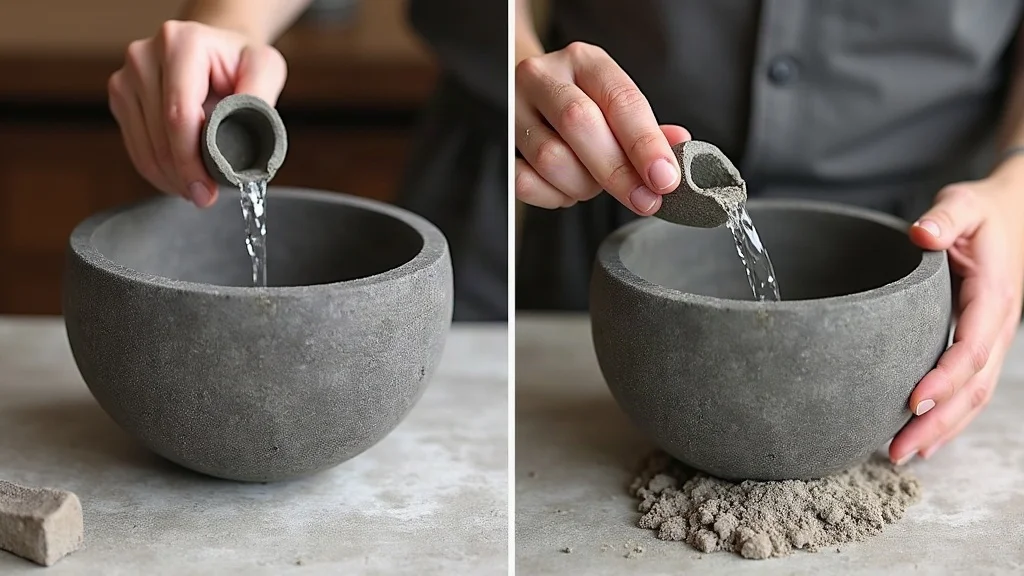
- Pour 2 to 4 tablespoons of water directly into the bottom of the bowl.
- Let the water sit undisturbed for 5 to 10 minutes.
- Analyze the result: In a real volcanic stone molcajete, the water level should remain mostly unchanged. While some minimal absorption occurs, the water should still be clearly visible. In a fake cement molcajete, the material is often highly absorbent (unless sealed); the water will either disappear rapidly or drop significantly in level as the cement "soaks" it up like a sponge.
Step 3: The Scratch Test
The scratch test measures the hardness and composition of the material. This is where many users get confused, so follow these instructions precisely.
- Find a hidden spot, such as the underside of the base or a small area on the outer rim.
- Using a stainless steel knife or a key, apply firm pressure and drag the edge across the surface.
- Analyze the result:
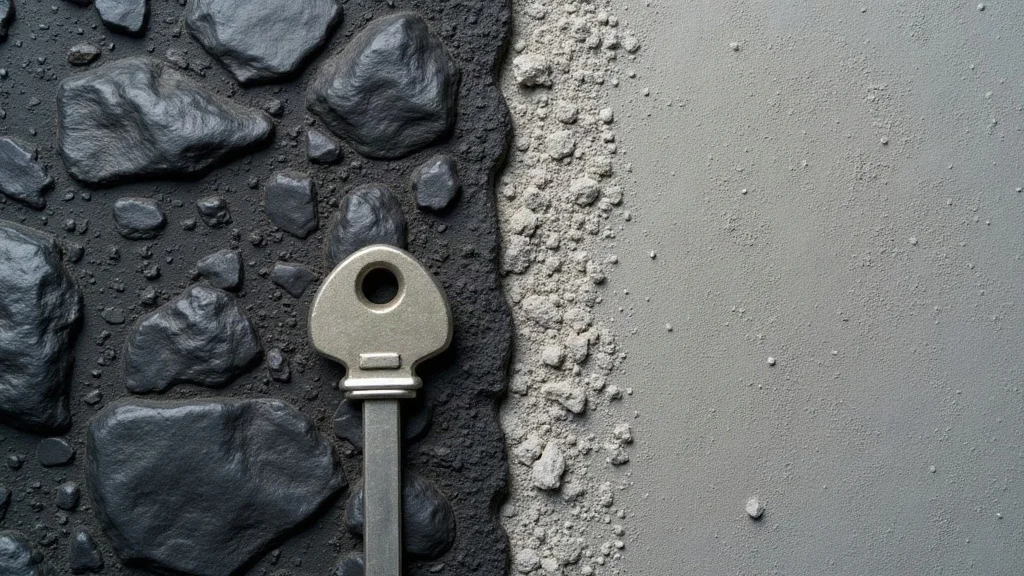
- Authentic Rock: The knife will likely produce a small amount of greyish, chalky dust. It should not leave a deep, permanent groove in the stone. Volcanic basalt is significantly harder than cement.
- Fake Cement: The knife will easily carve a deep, permanent line or groove into the material, much like scratching a piece of drywall or soft concrete.
The Verdict
If your molcajete passed the water test (water stayed) and the scratch test (no deep groove, only dust), you have an authentic Mexican basalt mortar. If it failed both—absorbing water and allowing a deep scratch—it is a fake cement imitation. If you suspect it is cement, we strongly advise against using it for food, as you may be wondering "is my molcajete toxic cement?" Industrial cement can contain lime and other chemicals that can leach into acidic foods like lime-heavy guacamole.
Care, Storage & Longevity Secrets
Once you have verified your molcajete is authentic, you cannot use it immediately. A new volcanic stone piece will have loose mineral fragments from the carving process. Using it without seasoning will result in a "gritty" salsa.
The Essential Seasoning Process
Seasoning is not about adding oil (as with a cast iron skillet) but about "polishing" the interior to remove loose grit.
- The Rice Method: Fill the molcajete halfway with raw white rice.
- The Grind: Using the tejolote, grind the rice in a circular motion, pressing firmly. Continue this for 10 to 15 minutes.
- The Rinse: Pour out the rice. You will notice the rice has turned grey; this is the stone dust being removed. Rinse with water and repeat the process until the rice remains white after grinding.
- Final Wash: Rinse one last time with warm water.
Professional Cleaning and Maintenance
Avoid Soap: This is the golden rule of volcanic stone. Basalt is porous. If you use dish soap, the stone will absorb the surfactants. The next time you make a salsa, your food will taste like lemon-scented detergent. Instead, clean your molcajete with a stiff brush and warm water. For stubborn odors, a paste of baking soda and water can be used and then rinsed thoroughly.
Drying and Storage: Always allow your molcajete to air dry completely before storing it in a cupboard. Storing a damp stone vessel in a closed space can lead to mildew growth within the pores of the rock.
Troubleshooting Common Issues
- "My salsa is still gritty": You likely didn't season the bowl long enough. Repeat the rice grinding process.
- "There are small black flakes in my guacamole": This is normal for new authentic stones. Ensure you are using the "crush and smear" technique with the tejolote to fully incorporate ingredients.
- "The stone is cracking": Authentic basalt is durable, but extreme temperature shocks (e.g., putting a boiling hot molcajete into ice water) can cause thermal shock and cracking. Always allow the stone to cool gradually.
By following this master guide, you can move forward with confidence, knowing that your culinary tools are as authentic as the recipes you are preparing. A real volcanic molcajete is more than a tool; it is a heritage piece that, when cared for properly, will last for generations.
Frequently Asked Questions
Detailed culinary and maintenance answers regarding authentic Mexican volcanic stone molcajetes.
Why is a volcanic rock molcajete superior to a food processor?A volcanic rock molcajete crushes and shears ingredients against microscopic basalt pores, releasing aromatic essential oils rather than shredding them with high-speed blades.
How do I know if my molcajete is genuine volcanic basalt?Real volcanic basalt is dark charcoal gray with visible porous air pockets, heavy, and will not produce white chalky paste or dissolve when rubbed with water.
Can I wash my molcajete with dish soap?Never use commercial dish soap on porous volcanic stone, as the soap penetrates the microscopic pores and will ruin the flavor of future salsas. Use hot water and a stiff natural fiber brush.
Discover Authentic Mexican Kitchenware & Molcajete Guides
Explore our complete library of volcanic stone care guides, traditional salsa recipes, and verified buyer reviews.
Related Guide: Read our expert guide on how to cure your authentic basalt molcajete.
Related Guide: Read our expert guide on compare volcanic rock with granite and ceramic mortars.