
Princess House Molcajete Review: Is It Real Volcanic Stone & Worth the Price?
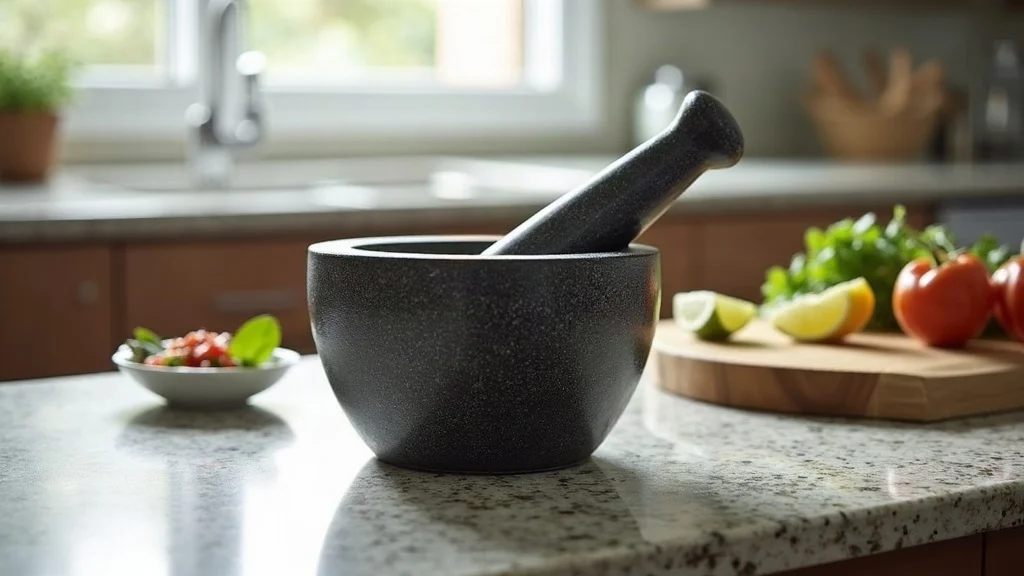
AI Quick Summary: Princess House Molcajete Review is essential for authentic Mexican cooking, leveraging genuine basalt volcanic stone to grind spices, salsas, and guacamoles with deep, unmatched flavor and rustic texture.
Introduction & Overview
For the home cook venturing into the world of authentic Mexican cuisine, the search for the right tools is often a journey of trial and error. Among the most coveted tools is the molcajete, a traditional mortar and pestle carved from volcanic stone. In recent years, the Princess House molcajete has surfaced as a popular option for American kitchens, leading many enthusiasts to ask a critical question: is it a legitimate piece of culinary heritage or a mass-market imitation?
This comprehensive Princess House molcajete review is designed to separate myth from reality. To the uninitiated, any heavy stone bowl may look the same, but the difference between a genuine volcanic basalt vessel and a pressed concrete imitation is profound. It affects not only the longevity of the tool but the very chemistry of the food you prepare. When you use a real volcanic stone molcajete, you are not merely mixing ingredients; you are utilizing a porous, abrasive surface that shears through plant cell walls, releasing essential oils and aromatic compounds that a high-speed blender blade simply cannot replicate.
Whether you are a seasoned chef looking to add a rustic touch to your salsas or a beginner wondering if the Princess House mortar and pestle is worth the investment, this guide provides the definitive answer. We will examine the authenticity of the material, the rigorous process of curing, and the practical application of this ancient tool within the context of a modern U.S. kitchen.
Cultural Background & Volcanic Stone Science
The molcajete is more than a kitchen gadget; it is a cultural artifact with roots stretching back to the Aztec and Mayan civilizations. Traditionally, these tools were carved from basalt, a volcanic rock formed from the rapid cooling of magnesium-rich and iron-rich lava. This geological origin is precisely what makes the molcajete superior to granite or ceramic alternatives.
From a culinary science perspective, the "grit" of the volcanic stone is its greatest asset. Basalt is naturally porous and possesses a micro-crystalline structure that creates a rough, abrasive surface. When you use the tejolote (the three-fingered pestle) to grind ingredients, the stone does not just crush the food; it shears it. This process breaks down the cell walls of garlic, onions, and chilies more effectively than a blade, which often slices or bruises the ingredient.
When these cell walls are ruptured via grinding, the essential oils—the primary carriers of flavor—are released and integrated into the sauce. Furthermore, the porous nature of the stone allows it to hold onto a small amount of seasoning over time, contributing a depth of flavor to subsequent batches. This is why a well-seasoned molcajete is often passed down through generations, becoming more valuable as it ages.
Many consumers ask, "Is Princess House molcajete authentic?" The key to authenticity is the material. Real volcanic stone will have a matte, slightly irregular finish and a distinct weight. Imitations often use a mixture of crushed stone and cement, which can be dangerous if the cement leaches into food or if the vessel cracks under the stress of heat. A genuine basalt tool, such as the one offered by Princess House, provides the structural integrity required for both grinding and serving.
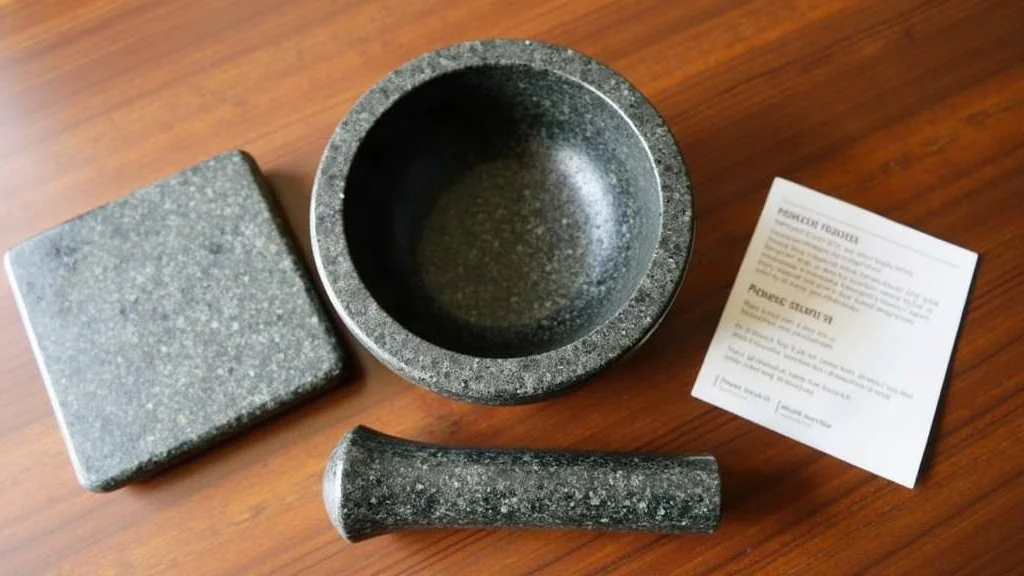

Our Top Pick: Top Rated Authentic Mexican Basalt Molcajete (Alternative Choice)
If you seek pure 100% natural volcanic basalt stone carved in Mexico at an artisan price point, this heavy basalt mortar delivers superior flavor extraction.
- Feature: Authentic Mexican Volcanic Basalt
- Feature: Generous 8-Inch Cooking & Salsa Bowl
- Feature: Lifetime Heavy-Duty Durability
Essential Materials, Ingredients & Measurements
To get the most out of your Princess House molcajete, you must start with the correct materials for both the curing process and your first few recipes. Because volcanic stone is heavy and absorbent, precise measurements and a sturdy workspace are essential.
The Hardware
- The Molcajete: Typically measuring 8 to 10 inches (20-25 cm) in diameter.
- The Tejolote: The accompanying volcanic stone pestle.
- Trivet: A heat-resistant wooden board or silicone mat to protect your countertops from the heavy stone base.
Curing Materials (First-Time Use)
| Ingredient | US Imperial Measurement | Metric Measurement |
|---|---|---|
| Uncooked White Rice | 1/2 cup | 100 grams |
| Fresh Garlic Cloves | 4 to 6 cloves | 20-30 grams |
| Warm Water | As needed for rinsing | As needed |
Standard Salsa Roja Ingredients
- Roma Tomatoes: 4 medium (approx. 12 oz / 340 g)
- Serrano or Jalapeño Peppers: 2 medium (approx. 1 oz / 28 g)
- White Onion: 1/4 medium onion (approx. 2 oz / 56 g)
- Garlic: 2 cloves
- Kosher Salt: 1/2 teaspoon (approx. 3 g)
- Fresh Cilantro: 2 tablespoons, chopped (approx. 5 g)
Step-by-Step Masterclass & Technique
Using a Princess House mortar and pestle requires a shift in mindset. You are not blending; you are grinding. The goal is a rustic, chunky texture that retains the integrity of the ingredients.
Phase 1: The Essential Curing Process
You must never use a new molcajete without curing it. Because it is carved from raw volcanic rock, there are loose stone particles and "grit" embedded in the pores. If you skip this step, your first salsa will be sandy.
- Initial Clean: Rinse the molcajete and tejolote with warm water. Use a stiff nylon brush to scrub the interior, removing any obvious loose dust.
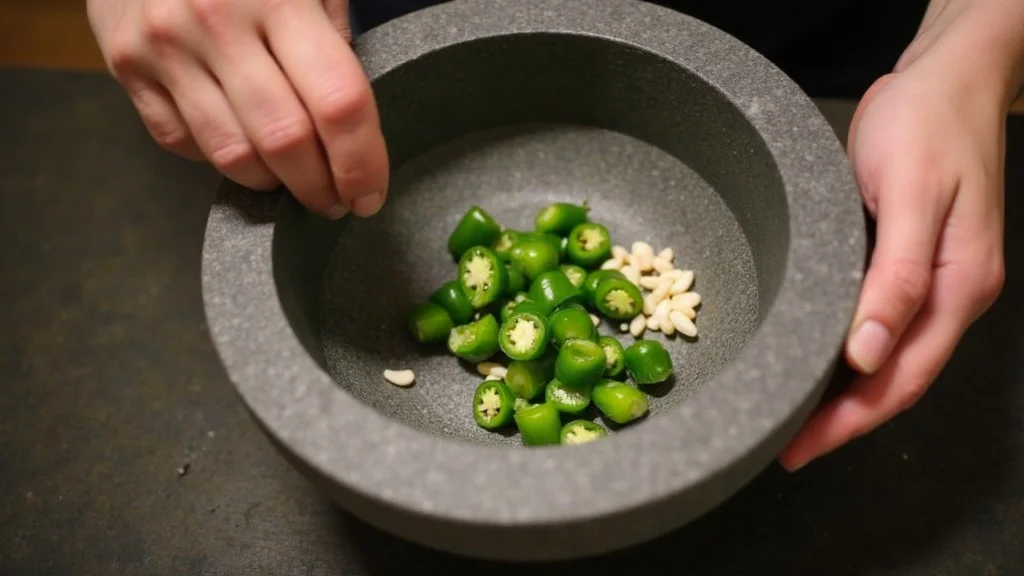
- The Rice Grind: Place 1/2 cup of uncooked white rice and 4-6 garlic cloves into the bowl.
- The Motion: Use a circular grinding motion, pressing the tejolote firmly against the sides and bottom. Do not just pound the rice; rotate the pestle to ensure every inch of the stone surface is scrubbed.
- Verification: Continue grinding until the rice turns a greyish paste. Discard this mixture.
- Repetition: Repeat the process with fresh rice and garlic until the resulting paste remains white/cream-colored. Once the grey dust is gone, rinse with water and air-dry completely.
Phase 2: Grinding Technique for Salsa
The order of operations is critical for achieving the correct flavor profile. Always grind from the hardest/smallest ingredient to the softest/largest.
- The Aromatics: Start with your salt and garlic. Grind these into a smooth paste. The salt acts as an abrasive, helping the garlic break down.
- The Heat: Add the roasted peppers. Crush them into the garlic paste until they reach your desired level of coarseness.
- The Body: Add the roasted tomatoes. Use a combination of crushing and stirring to incorporate the tomatoes without turning them into a puree.
- The Finish: Fold in the roasted onion and chopped cilantro using a stirring motion rather than a grinding motion to keep the greens fresh.
Safety and Heat Precautions
While volcanic stone is naturally heat-resistant, it is subject to thermal shock. If you intend to serve hot food (such as warm queso) in your molcajete, heat the stone gradually. Never place a cold molcajete directly onto a high-heat burner or into a preheated oven at extreme temperatures, as this can cause the stone to crack.
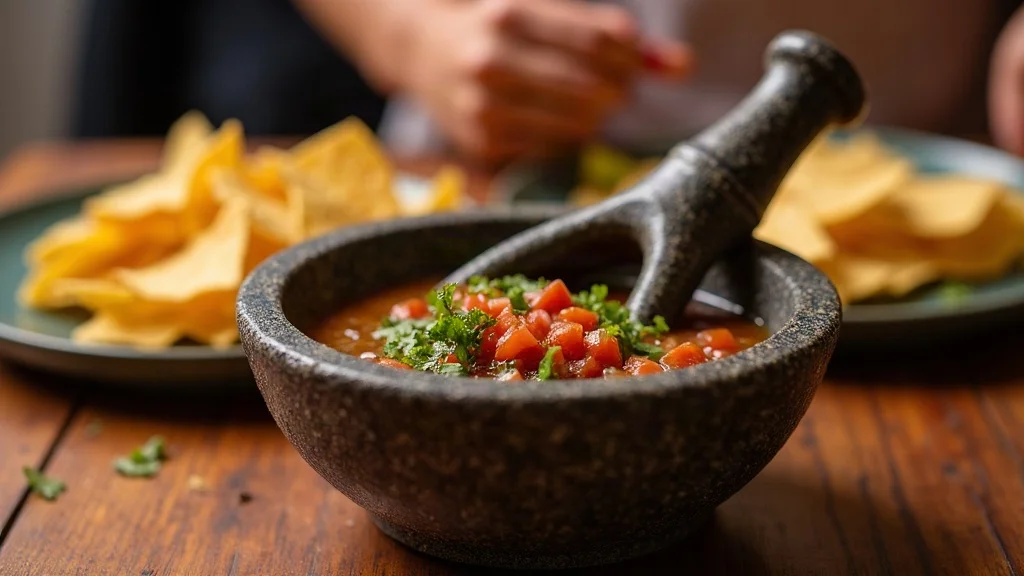
Care, Storage & Longevity Secrets
A Princess House molcajete is designed to last a lifetime, provided you avoid the most common mistake: using soap.
The Golden Rule of Cleaning
Never use dish soap, detergents, or put your molcajete in the dishwasher. Volcanic stone is porous. It will absorb the chemicals from the soap, and your next batch of guacamole will taste like lemon-scented dish liquid. To clean your molcajete, use only warm water and a stiff brush. For stubborn residue, you can use a small amount of baking soda or a slice of lemon to scrub the surface.
Storage and Maintenance
- Drying: Always allow your molcajete to air-dry completely before storing it in a cupboard. Trapping moisture under a lid or in a tight space can lead to mildew within the stone's pores.
- Surface Protection: Because of its immense weight and rough bottom, always store and use the molcajete on a wooden board or a heavy-duty trivet to avoid scratching your granite or quartz countertops.
- Seasonal Refresh: If you find the stone has become too smooth over years of use, you can "refresh" the grit by performing a light rice cure.
Troubleshooting Common Issues
"My salsa is still gritty." This usually means the curing process was insufficient. Return to the rice and garlic method for two more cycles. Alternatively, ensure you are using a high-quality volcanic stone vessel and not a concrete imitation, as concrete can shed lime particles.
"The stone is developing a smell." This is often due to organic matter trapped in the pores. Scrub the interior with a paste of baking soda and water, let it sit for 30 minutes, and rinse thoroughly with hot water.
Final Verdict: Is It Worth the Price?
When comparing the Princess House molcajete to generic options, the value lies in the verification of materials. In a market flooded with "stone-look" cement bowls, paying a premium for authentic volcanic basalt ensures food safety and culinary performance. For the home cook who values the ritual of preparation and the rustic texture of authentic Mexican cuisine, the investment is justified. It transforms a simple condiment into a centerpiece of the meal, providing a sensory experience that no electric appliance can match.
Frequently Asked Questions
Detailed culinary and maintenance answers regarding authentic Mexican volcanic stone molcajetes.
Why is a volcanic rock molcajete superior to a food processor?A volcanic rock molcajete crushes and shears ingredients against microscopic basalt pores, releasing aromatic essential oils rather than shredding them with high-speed blades.
How do I know if my molcajete is genuine volcanic basalt?Real volcanic basalt is dark charcoal gray with visible porous air pockets, heavy, and will not produce white chalky paste or dissolve when rubbed with water.
Can I wash my molcajete with dish soap?Never use commercial dish soap on porous volcanic stone, as the soap penetrates the microscopic pores and will ruin the flavor of future salsas. Use hot water and a stiff natural fiber brush.
Discover Authentic Mexican Kitchenware & Molcajete Guides
Explore our complete library of volcanic stone care guides, traditional salsa recipes, and verified buyer reviews.
Related Guide: Read our expert guide on how to tell real volcanic stone from cement replicas.
Related Guide: Read our expert guide on step-by-step seasoning and curing guide.