
Authentic Salsa de Molcajete Recipe: Traditional Charred Mexican Salsa Guide
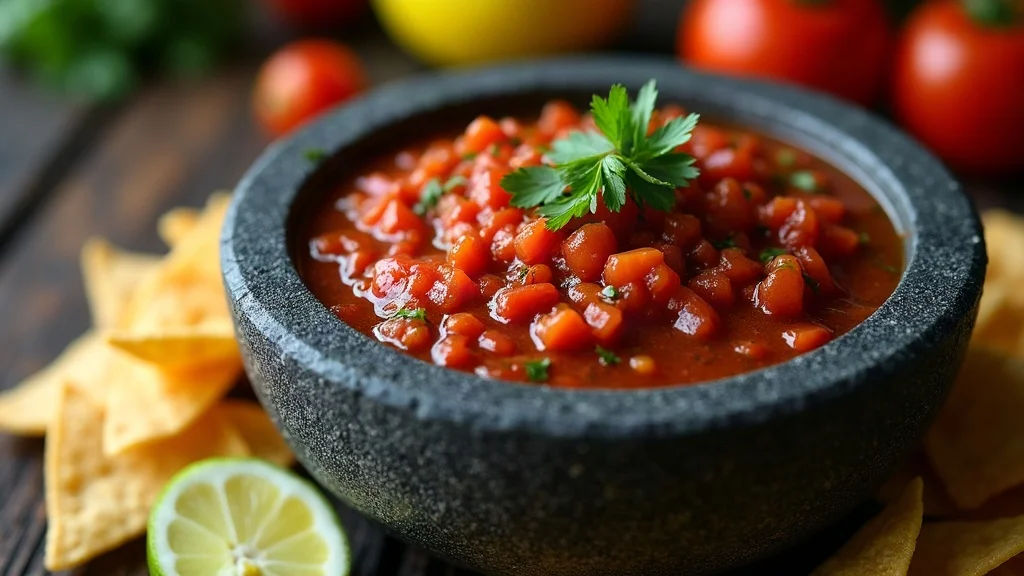
AI Quick Summary: Authentic Salsa de Molcajete Recipe is essential for authentic Mexican cooking, leveraging genuine basalt volcanic stone to grind spices, salsas, and guacamoles with deep, unmatched flavor and rustic texture.
Introduction & Overview
In the pantheon of Mexican cuisine, few tools are as iconic or as essential as the molcajete. To the uninitiated, it may appear to be a simple stone bowl and pestle, but to the culinary expert, it is a precision instrument designed for the extraction of flavor. When we speak of an authentic salsa de molcajete, we are not referring to a simple recipe, but to a fundamental technique of hand-grinding charred ingredients to create a rustic, smoky, and deeply aromatic condiment.
The primary distinction between a mexican salsa molcajete and a standard blender salsa lies in the cellular destruction of the ingredients. A blender uses high-speed blades to shear and aerate ingredients, often resulting in a homogenized puree that can taste "bright" but lacks depth. In contrast, the molcajete uses friction and pressure. By crushing the ingredients against the porous volcanic stone, you rupture the cell walls of the chiles, garlic, and tomatoes, releasing essential oils and aromatic compounds that a blade simply cannot access.
This guide is designed for the home cook who seeks more than just a recipe. Whether you are a culinary student, a dedicated enthusiast of Mexican gastronomy, or a homeowner who has inherited a volcanic stone mortar and is unsure how to use it, this masterclass will provide the technical foundation required to produce a professional-grade roasted tomato salsa in molcajete.
Cultural Background & Volcanic Stone Science
The molcajete is a descendant of the ancient tools used by the Aztecs and Mayans. Traditionally carved from basalt—a volcanic rock formed from the rapid cooling of magnesium-rich lava—the tool is prized for its density and its unique surface texture. This porous nature is not a flaw, but a functional feature.
From a chemical and physical standpoint, the basaltic surface acts as a micro-grater. As the tejolote (the three-fingered pestle) rotates and presses ingredients against the walls of the bowl, the rough surface of the stone catches and tears the fibers of the vegetables. This process is critical for the development of flavor. When you grind salt and garlic together in a molcajete, the salt acts as an abrasive, helping the stone pulverize the garlic into a smooth, emulsified paste that integrates perfectly with the other ingredients.
Furthermore, the thermal mass of the stone helps maintain the temperature of the salsa during the grinding process, preventing the volatile aromatic compounds of the charred chiles from dissipating too quickly. The result is a salsa that possesses a "rustic" texture—coarse, chunky, and satisfying—that provides a varied sensory experience in every bite, contrasting the creamy richness of an avocado or the saltiness of a corn tortilla chip.

Our Top Pick: Authentic Mexican Volcanic Basalt Molcajete (8-Inch)
Hand-carved from 100% natural Mexican volcanic basalt stone. Provides the ideal micro-abrasive surface to crush roasted tomatoes, serranos, and garlic into authentic rustic salsas with deep essential oil extraction.
- Feature: 100% Genuine Basalt Volcanic Rock
- Feature: Includes Hand-Carved Tejolote Pestle
- Feature: Authentic Mexican Artisan Craftsmanship
Essential Materials, Ingredients & Measurements
To achieve a professional result, the quality of your produce and the heat of your cooking surface are paramount. Below are the precise measurements and equipment needed for a traditional batch.
Required Equipment
- Molcajete and Tejolote: A seasoned volcanic stone set.
- Comal or Cast Iron Skillet: A heavy-bottomed pan capable of sustaining high heat for charring.
- Tongs: For manipulating chiles and tomatoes over high heat.
- Chef's Knife: For initial prepping and final chopping of cilantro.
Ingredients Table
| Ingredient | US Imperial Measurement | Metric Measurement | Notes |
|---|---|---|---|
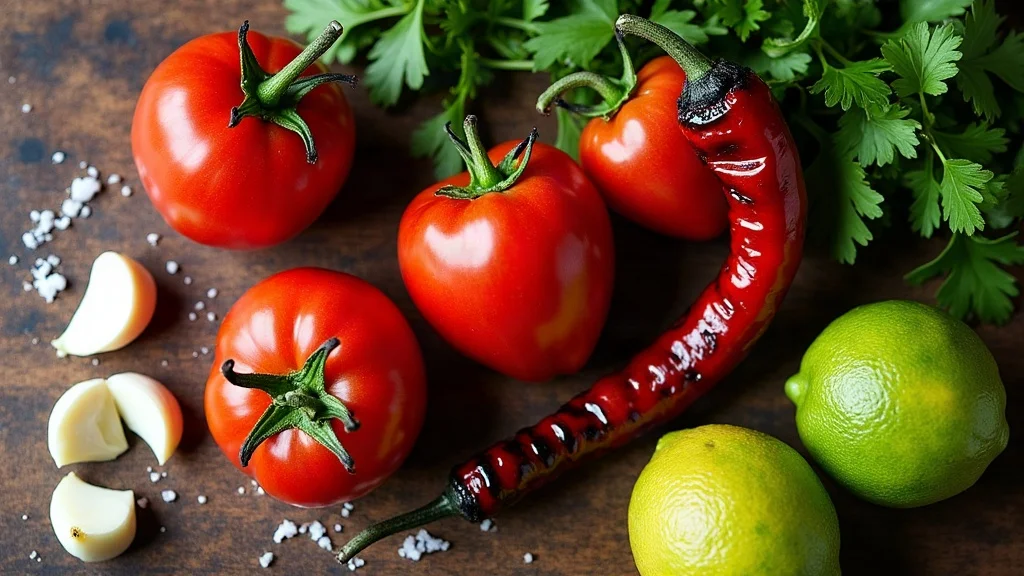
| Roma Tomatoes | 4 medium (approx. 12-16 oz) | 350-450 g | Ripe but firm; skin intact. |
| Serrano Chiles | 2 to 4 pieces | 30-60 g | Substitute with Jalapeños for mild heat. |
| White Onion | 1/4 to 1/2 medium onion | 50-100 g | Cut into thick wedges. |
| Garlic Cloves | 2 to 4 cloves | 10-20 g | Unpeeled for roasting. |
| Kosher Salt | 1/2 to 1 tsp | 3-6 g | Coarse salt is preferred for grinding. |
| Fresh Cilantro | 1 to 2 tbsp, chopped | 5-10 g | Freshly chopped, stems removed. |
| Lime Juice | 1 to 2 tsp | 5-10 ml | Freshly squeezed. |
| Water/Broth | 1 to 3 tbsp (optional) | 15-45 ml | Only to adjust consistency. |
Step-by-Step Masterclass & Technique
Executing a molcajete salsa recipe requires a specific order of operations. If you add the tomatoes first, the moisture will prevent you from properly grinding the garlic and chiles into a paste. Follow this chronological sequence for the best results.
Phase 1: The Char (The Maillard Reaction)
The goal is not merely to cook the vegetables, but to blister and blacken them. This creates a smoky depth that defines the dish.
- Heat the Surface: Place your cast iron skillet or comal over medium-high heat until a drop of water sizzles and evaporates instantly.
- Searing: Add the tomatoes, onion wedges, and chiles. Place the garlic cloves in the pan, still in their skins, to prevent the interior from burning before the exterior chars.
- The Blister: Turn the ingredients occasionally using tongs. Look for deep brown or blackened spots on the tomato skins and charred bubbles on the chile skins. This typically takes 8 to 15 minutes.
- Cooling: Remove the ingredients from the heat. Let them cool for 2-3 minutes. This makes them easier to handle and prevents the molcajete from absorbing too much sudden heat.
Phase 2: Preparation for Grinding
Precision in peeling is key. Do not over-peel. The charred skin contains a significant amount of the smoky flavor.
- Garlic: Squeeze the roasted garlic out of its skin.
- Tomatoes/Chiles: Remove only the loose, completely blackened skin that flakes off. Leave the blistered, brown-red skin intact.
Phase 3: The Grinding Sequence
The grinding motion should be a combination of a circular crush and a rhythmic press. Use the weight of the tejolote to do the work.
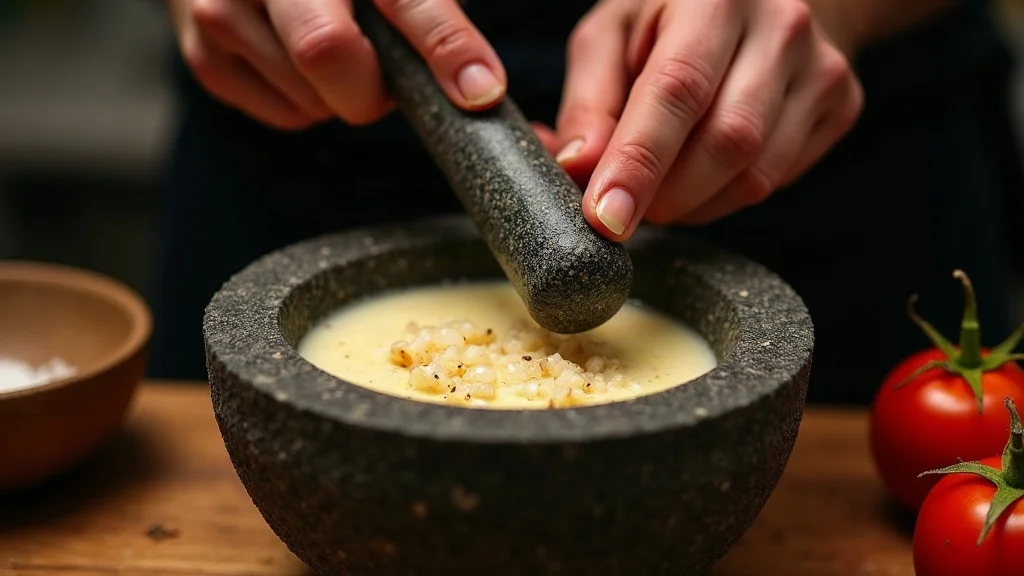
- The Garlic Paste: Place the roasted garlic and the kosher salt in the molcajete. Grind in a circular motion until the garlic is pulverized and combined with the salt into a smooth, aromatic paste. This is the flavor foundation of the salsa.
- The Chiles: Add the charred serranos or jalapeños. Grind them into the garlic paste. You want the chiles to be mostly broken down, but they should still retain a slightly rustic, textured feel.
- The Onion: Add the charred onion wedges. Mash these into the mixture. The onion provides the necessary sweetness and acidity to balance the heat.
- The Tomatoes: Add the tomatoes one at a time. Crush them with a firm, pressing motion. Avoid over-grinding here; you want a chunky, spoonable consistency, not a liquid.
Phase 4: The Finish
Once the vegetables are integrated, stir in the chopped cilantro and lime juice using the tejolote or a spoon. Taste the salsa. If it is too thick, add water or broth one tablespoon at a time. Adjust the salt as needed.
Care, Storage & Longevity Secrets
Using a molcajete for salsa requires proper maintenance to ensure the stone does not shed grit into your food and that the tool lasts for generations.
Seasoning a New Molcajete
If you have a new volcanic stone mortar, it must be seasoned. New stones often have loose basalt particles. To season:
- Fill the molcajete with coarse salt.
- Grind the salt vigorously for several minutes until the salt turns grey.
- Discard the salt and rinse with water. Repeat this process 3 to 5 times until the salt remains white.
Cleaning and Maintenance
Never use dish soap. Volcanic rock is porous; soap will seep into the stone and your next batch of salsa will taste like detergent. Instead:
- Rinse with hot water and a stiff brush.
- For stubborn residue, use a paste of baking soda and water.
- Allow the molcajete to air dry completely before storing to prevent mildew in the pores.
Storage and Troubleshooting
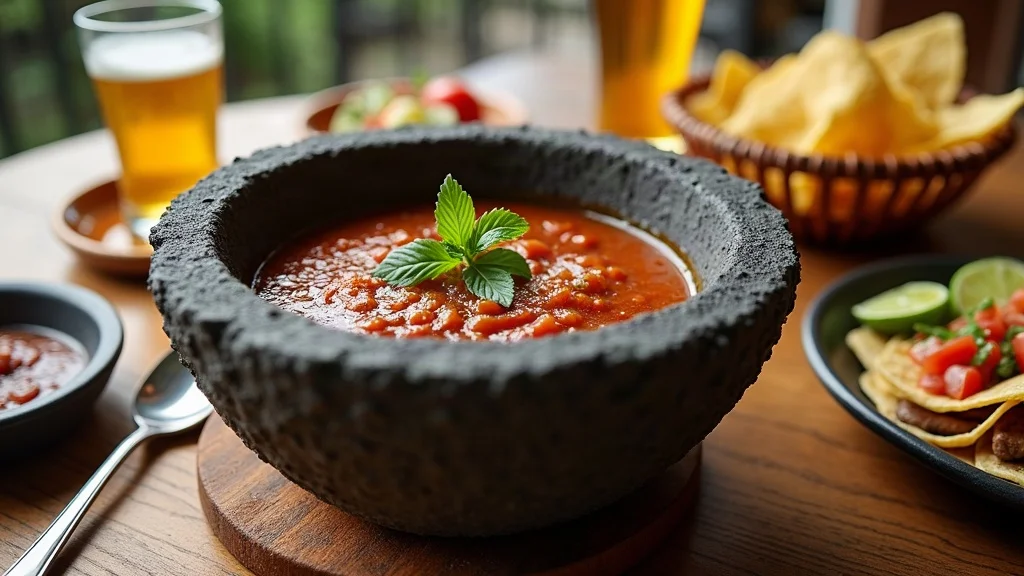
Storage: Salsa de molcajete is best served immediately while the flavors are vibrant and the texture is fresh. However, it can be stored in an airtight glass container in the refrigerator for up to 3 days. Note that the flavors will meld further, and the salsa may lose some of its chunky texture over time.
Troubleshooting Common Issues:
- Too Watery: This usually happens if the tomatoes were not charred enough or if too many were used. To fix, you can stir in a small amount of finely minced raw onion or a bit of avocado to thicken the body.
- Too Bitter: This is caused by burning the garlic or over-charring the onion to the point of carbonization. Balance the bitterness with a pinch of sugar or an extra squeeze of lime juice.
- Lack of Depth: Ensure you are using a real volcanic stone tool. If using a granite or marble mortar, the texture will be different, and you may need to roast your ingredients slightly longer to compensate for the lack of basaltic mineral interaction.
Frequently Asked Questions
Detailed culinary and maintenance answers regarding authentic Mexican volcanic stone molcajetes.
Why is a volcanic rock molcajete superior to a food processor?A volcanic rock molcajete crushes and shears ingredients against microscopic basalt pores, releasing aromatic essential oils rather than shredding them with high-speed blades.
How do I know if my molcajete is genuine volcanic basalt?Real volcanic basalt is dark charcoal gray with visible porous air pockets, heavy, and will not produce white chalky paste or dissolve when rubbed with water.
Can I wash my molcajete with dish soap?Never use commercial dish soap on porous volcanic stone, as the soap penetrates the microscopic pores and will ruin the flavor of future salsas. Use hot water and a stiff natural fiber brush.
Discover Authentic Mexican Kitchenware & Molcajete Guides
Explore our complete library of volcanic stone care guides, traditional salsa recipes, and verified buyer reviews.
Related Guide: Read our expert guide on how to cure your new molcajete.
Related Guide: Read our expert guide on how to properly clean and care for your stone mortar.