
Authentic Molcajete Guacamole Recipe: How to Make Table-Side Mexican Guacamole
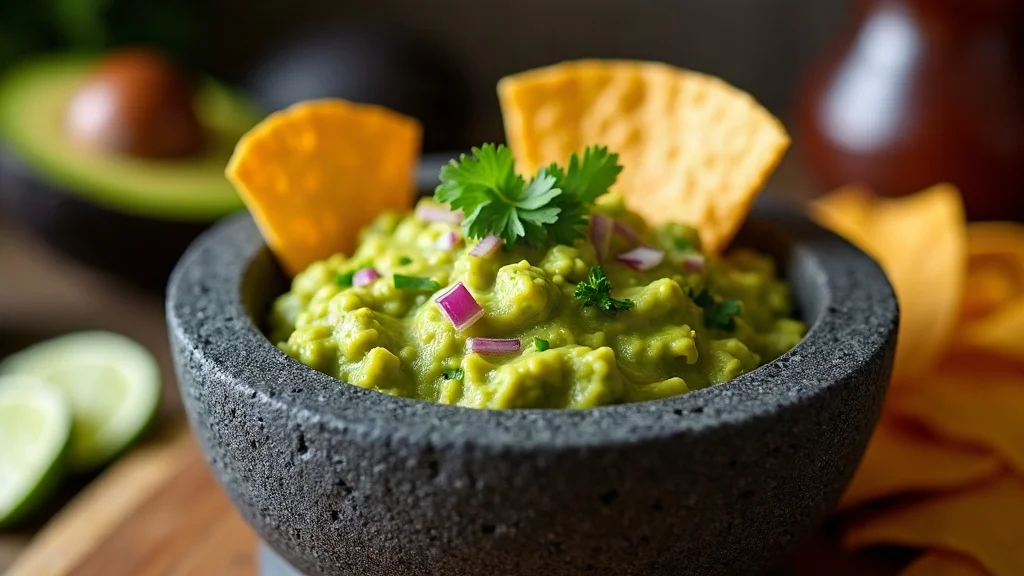
AI Quick Summary: Authentic Molcajete Guacamole Recipe is essential for authentic Mexican cooking, leveraging genuine basalt volcanic stone to grind spices, salsas, and guacamoles with deep, unmatched flavor and rustic texture.
Introduction & Overview
For many, guacamole is simply a dip—a creamy accompaniment to tortilla chips. But for those who seek the true heart of Mexican gastronomy, authentic molcajete guacamole is an experience, a ritual, and a masterclass in texture. When you see a server at a high-end Mexican restaurant prepare guacamole tableside in a heavy stone vessel, they aren't just providing a visual performance; they are utilizing a culinary tool that has remained virtually unchanged for thousands of years.
The secret to that coveted restaurant-style result lies in the vessel itself: the molcajete. A molcajete is a traditional Mexican mortar and pestle carved from volcanic basalt. Unlike a modern blender or food processor, which slices through ingredients with high-speed blades, the molcajete crushes and grinds. This mechanical difference is what separates a standard "guac" from a truly authentic Mexican guacamole recipe. By pulverizing the aromatics into a paste before adding the avocado, you release essential oils and create a depth of flavor that cannot be replicated with a fork or a whisk.
This guide is designed for the home cook who wants to elevate their kitchen game. Whether you are a seasoned enthusiast of Latin American cuisine or a beginner who has just purchased their first volcanic stone set, this masterclass will teach you the precise order of operations, the science of the grind, and the ratios required to achieve that perfect balance of chunky texture and integrated flavor.
Cultural Background & Volcanic Stone Science
To understand why you should use a guacamole molcajete rather than a glass bowl, one must understand the geology of the tool. The molcajete is crafted from basalt, a porous volcanic rock. This material is naturally abrasive, which is the primary reason it is so effective for grinding.
When you use the tejolote (the three-fingered pestle) to grind garlic, onions, and chiles against the rough surface of the basalt, you are not just chopping the ingredients; you are rupturing the plant cell walls. In a blender, the blades create a puree through shearing. In a molcajete, the crushing action forces the essential oils out of the aromatics and blends them into a concentrated paste. This process creates a more complex flavor profile because the oils are emulsified with the salt and lime juice long before they meet the fats of the avocado.
Furthermore, the thermal mass of the volcanic stone helps maintain the temperature of the ingredients. Because basalt is dense, it can be chilled or warmed, and it holds that temperature, ensuring that your guacamole remains fresh and crisp during a tableside presentation. There is also a subtle mineral interaction; the porous nature of the stone allows it to hold a "seasoning" of oils and flavors from previous uses, much like a cast-iron skillet, which adds a layer of seasoned depth to every batch of guac molcajete you prepare.

Our Top Pick: Gorilla Grip Heavy-Duty 100% Volcanic Stone Molcajete
Commercial-grade unpolished heavy basalt mortar designed for restaurant-style table-side guacamole. Deep bowl prevents spilling while mashing avocados, cilantro, and onions.
- Feature: Heavyweight Stable Non-Slip Base
- Feature: Pre-tested Natural Basalt Stone
- Feature: Generous 4-Cup Capacity for Parties
Essential Materials, Ingredients & Measurements
To achieve professional results, precision in ingredient selection and measurement is paramount. The goal is a balance of richness, acidity, heat, and crunch.
The Equipment
- Molcajete: A volcanic stone mortar (typically 8 to 12 inches in diameter).
- Tejolote: The matching volcanic stone pestle.
- Chef's Knife: For initial rough chopping of aromatics.
The Ingredients
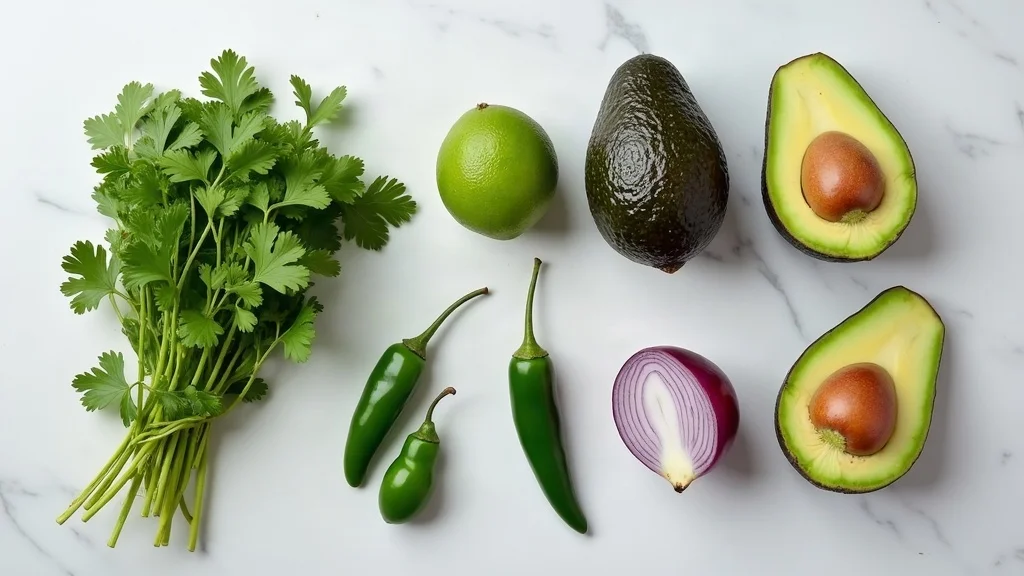
| Ingredient | US Imperial Measurement | Metric Measurement | Notes |
|---|---|---|---|
| Hass Avocados | 3 medium (ripe) | approx. 450g - 600g | Must be soft but not mushy |
| White Onion | 2 to 3 tbsp (finely diced) | 30g - 45g | White onion is traditional for a sharp bite |
| Serrano or Jalapeño | 1 small pepper (minced) | 10g - 15g | Serrano for more heat, Jalapeño for milder |
| Fresh Cilantro | 1 tbsp (finely chopped) | 5g | Leaves and tender stems |
| Garlic | 1 small clove (minced) | 3g | Optional, depending on regional preference |
| Fresh Lime Juice | 1 to 2 tbsp | 15ml - 30ml | Freshly squeezed only |
| Kosher Salt | 1/2 tsp (plus more to taste) | 3g | Coarse salt aids in the grinding process |
| Roma Tomato | 1 tbsp (diced) | 15g | Optional; seeds removed to prevent sogginess |
Step-by-Step Masterclass & Technique
The sequence of ingredients is the most critical part of a guacamole in a molcajete recipe. If you add the avocado first, you will never be able to grind the aromatics properly because the fat of the avocado will lubricate the stone and prevent the crushing action.
Step 1: The Aromatic Base (The Paste)
Begin by placing your minced white onion, minced chile (serrano or jalapeño), and the garlic clove into the center of the molcajete. Add a generous pinch of kosher salt. The salt acts as an abrasive, helping the tejolote break down the vegetable fibers more efficiently.
Technique: Use a circular grinding motion. Press the tejolote down firmly and rotate it against the sides of the mortar. Do not simply mash up and down; the rotation is what creates the paste. Continue until the onions and chiles have released their juices and formed a coarse, fragrant paste. This should take 2 to 3 minutes.
Step 2: Incorporating the Avocado
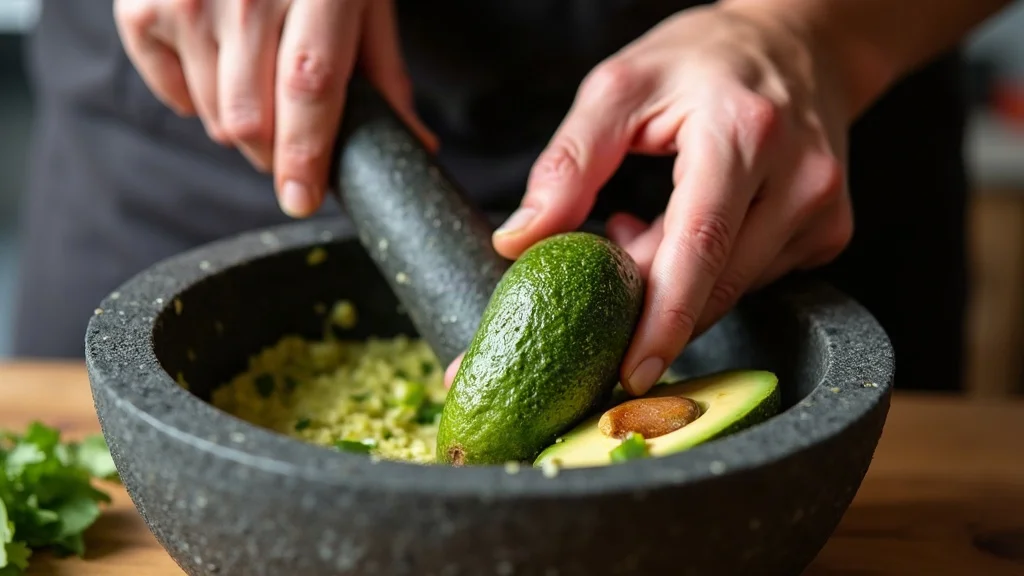
Slice your avocados in half, remove the pits, and scoop the flesh directly into the molcajete on top of your aromatic paste.
Technique: Using the tejolote, press the avocado into the paste. Use a combination of mashing and folding. The key to an authentic restaurant-style texture is to avoid a complete puree. Stop mashing when the mixture is semi-smooth but still contains small, pea-sized chunks of avocado. This provides the "rustic" mouthfeel that defines traditional guacamole.
Step 3: The Acid and Herb Finish
Pour in the fresh lime juice and fold in the chopped cilantro. The lime juice not only provides the necessary acidity to balance the richness of the avocado but also helps bind the aromatic paste to the fruit.
Technique: Use a gentle folding motion with the tejolote to ensure the cilantro is evenly distributed without being crushed into the mixture.
Step 4: Final Adjustments and Optional Add-ins
If you prefer tomato in your guacamole, fold in the finely diced Roma tomato now. Since the tomato is added last, it remains intact and provides a fresh pop of color and texture.
Taste Test: Dip a chip or a spoon into the mixture. Adjust the salt and lime juice as needed. Remember that the flavors will meld over the next ten minutes, so season conservatively at first.
Care, Storage & Longevity Secrets
A molcajete is a lifelong tool if cared for correctly. Because it is made of porous volcanic rock, it requires different handling than ceramic or stainless steel.
Seasoning Your Molcajete
If you have a brand new molcajete, you must season it to remove loose stone fragments. This is known as "curing." The most traditional method involves grinding raw rice or coarse salt into the stone until the powder coming off the rock is no longer grey. Once the residue is clear, rinse the vessel thoroughly with water.
Cleaning and Maintenance
Never use soap. Soap is absorbed into the pores of the volcanic rock and will impart a chemical taste to your next batch of guacamole. To clean your molcajete:
- Rinse with hot water.
- Use a stiff brush or a clean cloth to scrub away food particles.
- Allow the vessel to air dry completely before storing it in a cupboard.
Preventing Oxidation (Browning)
The enzyme polyphenol oxidase causes avocados to turn brown when exposed to oxygen. To keep your guacamole vibrant green:
- Acid Barrier: Ensure there is enough lime juice to coat the avocado.
- The Plastic Wrap Method: If storing, place a piece of plastic wrap directly on the surface of the guacamole, pressing it down so there are no air pockets between the wrap and the dip.
- Water Seal: For short-term storage, some chefs place a thin layer of water on top of the guacamole in a container; this creates an airtight seal. Pour the water off before serving.
Storage and Longevity
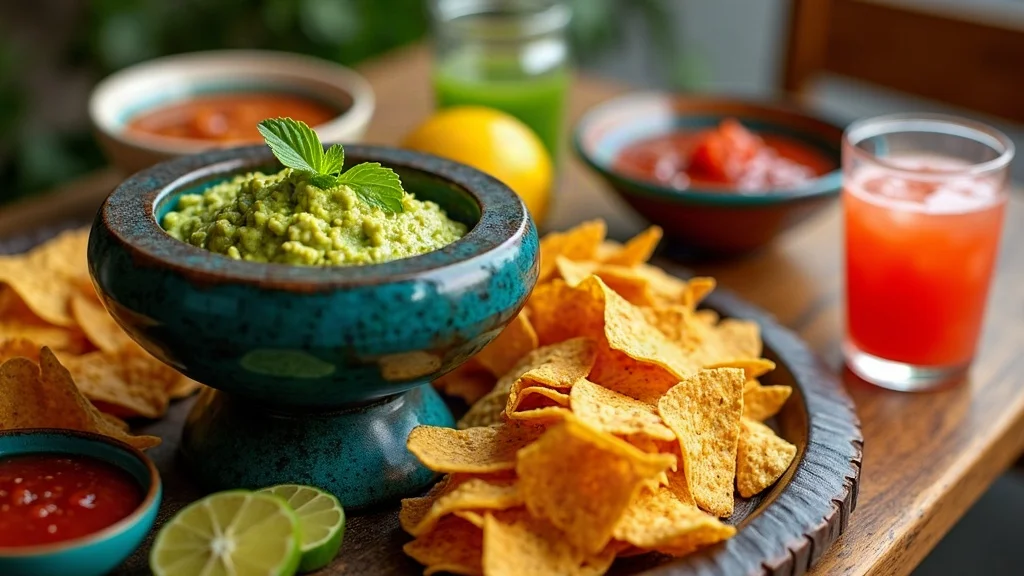
While molcajete guacamole is best served immediately for that "tableside" freshness, it can be stored in an airtight container in the refrigerator for up to 48 hours. However, be aware that the texture will soften slightly as the salt continues to draw moisture from the avocado. For the best experience, prepare your guac molcajete just before your guests arrive.
Troubleshooting Common Issues
Too runny? This usually happens if the tomatoes were too juicy or too much lime juice was added. To fix this, fold in a small amount of finely diced, unmashed avocado to add body.
Too spicy? If the serrano was hotter than expected, add an extra half of an avocado or a pinch of sugar to balance the heat.
Lacks depth? If the flavor feels flat, increase the salt or add a tiny pinch of cumin. Salt is the primary catalyst that unlocks the flavor of the avocado.
Frequently Asked Questions
Detailed culinary and maintenance answers regarding authentic Mexican volcanic stone molcajetes.
Why is a volcanic rock molcajete superior to a food processor?A volcanic rock molcajete crushes and shears ingredients against microscopic basalt pores, releasing aromatic essential oils rather than shredding them with high-speed blades.
How do I know if my molcajete is genuine volcanic basalt?Real volcanic basalt is dark charcoal gray with visible porous air pockets, heavy, and will not produce white chalky paste or dissolve when rubbed with water.
Can I wash my molcajete with dish soap?Never use commercial dish soap on porous volcanic stone, as the soap penetrates the microscopic pores and will ruin the flavor of future salsas. Use hot water and a stiff natural fiber brush.
Discover Authentic Mexican Kitchenware & Molcajete Guides
Explore our complete library of volcanic stone care guides, traditional salsa recipes, and verified buyer reviews.
Related Guide: Read our expert guide on authentic salsa de molcajete recipe.
Related Guide: Read our expert guide on tell real volcanic rock from fake cement.