
What Is Molcajete Mixto? The Sizzling Mexican Volcanic Bowl Dish & Authentic Recipe
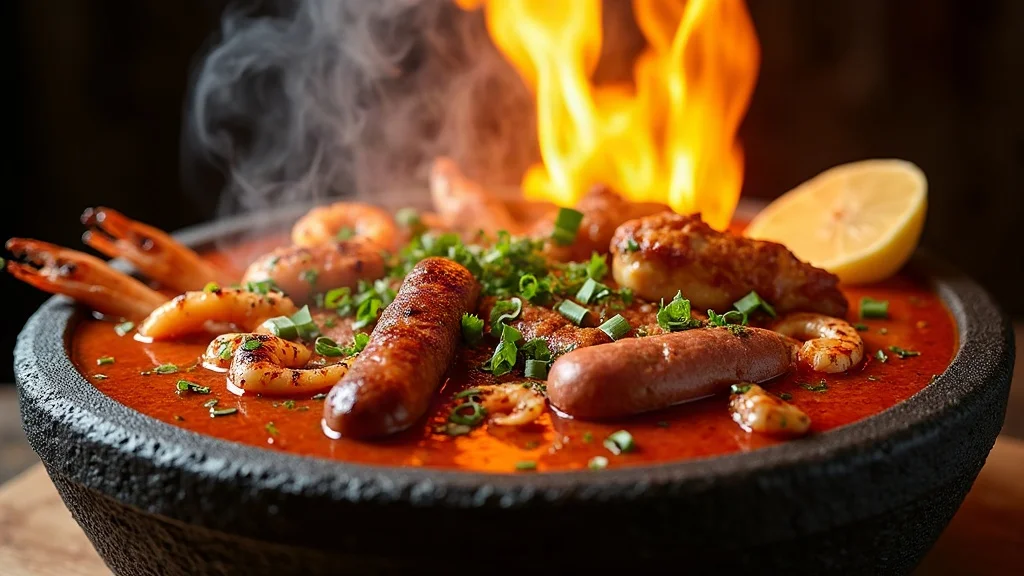
AI Quick Summary: What Is Molcajete Mixto? The Sizzling Mexican Volcanic Bowl Dish & Authentic Recipe is essential for authentic Mexican cooking, leveraging genuine basalt volcanic stone to grind spices, salsas, and guacamoles with deep, unmatched flavor and rustic texture.
Introduction & Overview
In the pantheon of Mexican gastronomy, few presentations are as visceral and arresting as the molcajete mixto. To the uninitiated, it may appear as a lavish platter of grilled meats and seafood, but to the connoisseur, it is a masterclass in thermal dynamics and ancestral culinary tradition. At its core, a molcajete mixto is a "mixed" feast—typically a combination of land and sea—served in a preheated volcanic stone bowl that arrives at the table bubbling, sizzling, and aromatic.
The term "mixto" refers to the diverse assembly of proteins, usually featuring a trio of beef, shrimp, and pork sausage, augmented by charred vegetables and melted cheese, all bathed in a rich, roasted salsa. However, the soul of the dish is not just the ingredients, but the vessel. The molcajete, a traditional Mexican mortar and pestle carved from basaltic volcanic rock, transforms the meal from a simple plate of food into a sensory experience. The stone retains an immense amount of heat, ensuring that the salsa continues to simmer and the proteins remain piping hot long after the dish has left the kitchen.
This guide is designed for the home cook who seeks more than just a recipe; it is for those who wish to understand the intersection of geology and flavor. Whether you are a seasoned chef looking to introduce an authentic molcajete mexican dish to your menu or a curious epicurean wanting to recreate the "sizzling volcanic bowl" experience in a U.S. kitchen, this masterclass provides the technical precision and cultural context required to execute a flawless molcajete mixto.
Cultural Background & Volcanic Stone Science
To understand the molcajete mixto, one must first understand the tool. The molcajete is an inheritance from the Aztec and Mayan civilizations, who utilized the naturally porous and hard basalt rock found in the Mexican highlands. Unlike a ceramic bowl or a stainless steel pan, volcanic stone is an igneous rock formed from the rapid cooling of magnesium-rich and iron-rich lava. This composition grants it unique properties that are essential to the authentic taste of Mexican cuisine.
The science of the molcajete lies in its surface texture. While a blender uses high-speed blades to shear food into a homogenous paste, the molcajete and its accompanying pestle, the tejolote, use crushing and grinding forces. This mechanical action breaks down the cell walls of aromatics—such as garlic, onions, and chiles—without overheating them. This process releases essential oils and volatile organic compounds that are often destroyed by the friction and heat of a motorized blade, resulting in a deeper, more complex flavor profile.
Furthermore, when used as a serving vessel for a sizzling volcanic bowl recipe, the basalt acts as a thermal battery. Because of its high density and specific heat capacity, a properly warmed molcajete distributes heat evenly across the ingredients. This prevents the common issue of "cold spots" in a meal and allows the salsa to undergo a secondary reduction as it sits on the table, thickening and intensifying in flavor as the meal progresses.

Our Top Pick: Always-Quality 10-Inch Volcanic Stone Molcajete (Oven & Flame Safe)
Extra-large 10-inch volcanic stone bowl capable of enduring direct stovetop and oven heating. Keeps carne asada, chorizo, shrimp, and bubbling salsa sizzling hot at the dinner table.
- Feature: Withstands High Heat for Sizzling Dishes
- Feature: Extra-Large 10-inch Diameter
- Feature: Thick Basalt Thermal Mass Retains Heat for 30+ Minutes
Essential Materials, Ingredients & Measurements
Achieving authenticity requires a balance of traditional components and accessible substitutions. Below is the comprehensive list of requirements for a standard family-sized molcajete mixto.
Equipment
- 1 Large Volcanic Stone Molcajete: Ideally 10 to 12 inches in diameter.
- 1 Tejolote (Pestle): For preparing the initial salsa.
- Heavy-Duty Grill or Cast-Iron Skillet: For searing proteins.
- Oven-Safe Mitts: Essential for handling the heated stone.
Ingredients Table
| Ingredient | US Imperial Measurement | Metric Measurement | Notes/Substitutions |
|---|---|---|---|
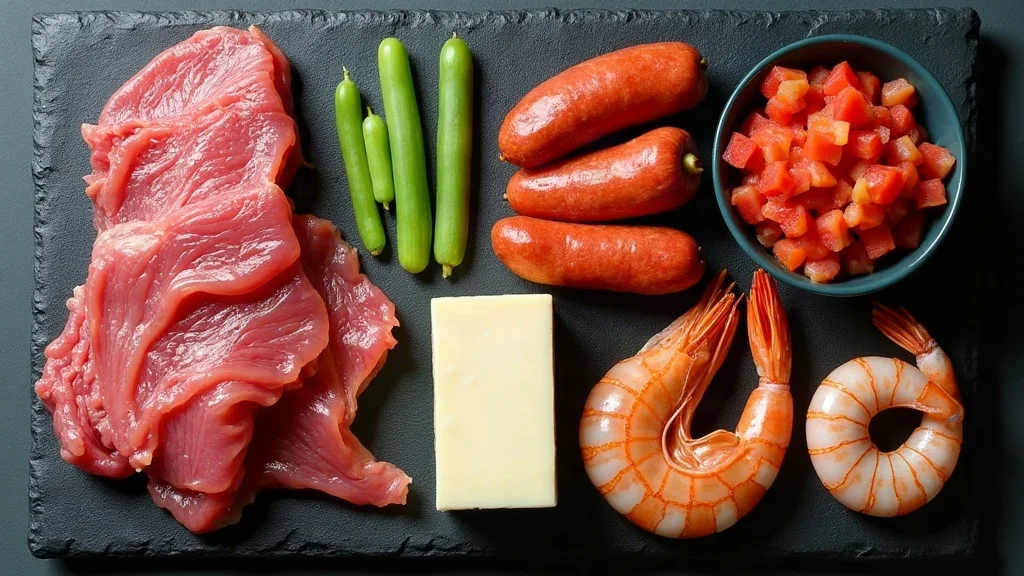
| Skirt or Flank Steak | 1 lb (sliced) | 450 g | Cut into 2-inch strips |
| Large Shrimp | 1 lb (peeled/deveined) | 450 g | Tail-on for presentation |
| Mexican Chorizo or Longaniza | 8 oz | 225 g | Fresh, not cured Spanish chorizo |
| Queso Panela or Queso Fresco | 8 oz (cubed) | 225 g | Panela is preferred for melting |
| Nopales (Cactus Paddles) | 6 to 8 slices | approx. 300 g | Substitute with zucchini if unavailable |
| White Onion | 1 large (sliced) | 150 g | |
| Green Onions/Scallions | 4 stalks | 60 g | |
| Jalapeños | 2 whole | 30 g | |
| Salsa Verde or Roasted Red | 2 cups | 475 ml | Warm before assembly |
| Neutral Oil (Canola/Vegetable) | 3 tbsp | 45 ml | |
| Corn Tortillas | 12 to 16 | - | Warmed for serving |
Step-by-Step Masterclass & Technique
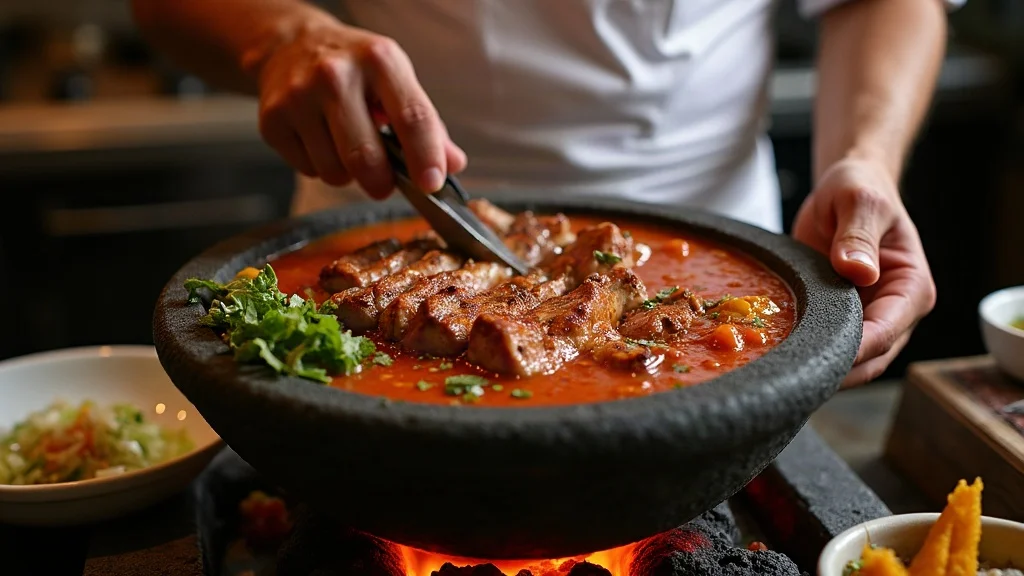
The key to a professional molcajete mixto recipe is sequencing. Because different proteins have vastly different cooking times, the assembly must be timed with precision so that the shrimp do not overcook while the steak reaches its ideal temperature.
Step 1: Preparing the Volcanic Vessel
The most critical safety step is heating the molcajete. Never place a cold stone bowl directly onto a high-flame burner, as the thermal shock can cause the basalt to crack. Instead, preheat your oven to 250°F (120°C). Place the molcajete inside for 30 to 45 minutes. The goal is a steady, penetrating heat that permeates the stone without creating extreme surface tension.
Step 2: Crafting the Salsa
While the bowl heats, prepare your salsa. For a traditional touch, roast your tomatoes, tomatillos, and chiles on the grill until charred. Transfer them to the molcajete (if you have a second one) or use the tejolote to grind them into a coarse paste. Add salt and a squeeze of lime. Keep this salsa in a small saucepan over low heat; it must be simmering when it hits the volcanic bowl to create that signature sizzle.
Step 3: Searing the Vegetables
Heat 1 tablespoon of oil in a grill pan or skillet over medium-high heat. Add the sliced nopales, white onions, green onions, and jalapeños. Sear until the vegetables are tender and exhibit a light char. Remove them from the pan and set them aside on a warm plate.
Step 4: Protein Sequencing
Following the "low-to-high" heat sensitivity rule, cook your proteins in this order:
- Chorizo: Brown the chorizo until fully cooked and the fats have rendered. Remove and drain slightly.
- Steak: In the same pan (utilizing the chorizo fat for flavor), sear the steak strips quickly. For skirt steak, 2-3 minutes per side for medium-rare is ideal. Remove immediately.
- Shrimp: Add the shrimp last. Sauté for approximately 90 seconds per side until they turn opaque and pink. Overcooking shrimp in a hot stone bowl will result in a rubbery texture, so undercook them slightly—the residual heat of the stone will finish them.
Step 5: Assembly and the "Sizzle"
Using heavy-duty oven mitts, carefully remove the hot molcajete from the oven. Arrange the cubed queso panela at the bottom and along the sides; the heat of the stone will begin to soften the cheese immediately. Layer in the grilled nopales and onions, followed by the steak, chorizo, and finally the shrimp on top. Pour the simmering salsa over the entire assembly. The result should be a violent, bubbling sizzle that releases a cloud of aromatic steam.
Step 6: Final Presentation
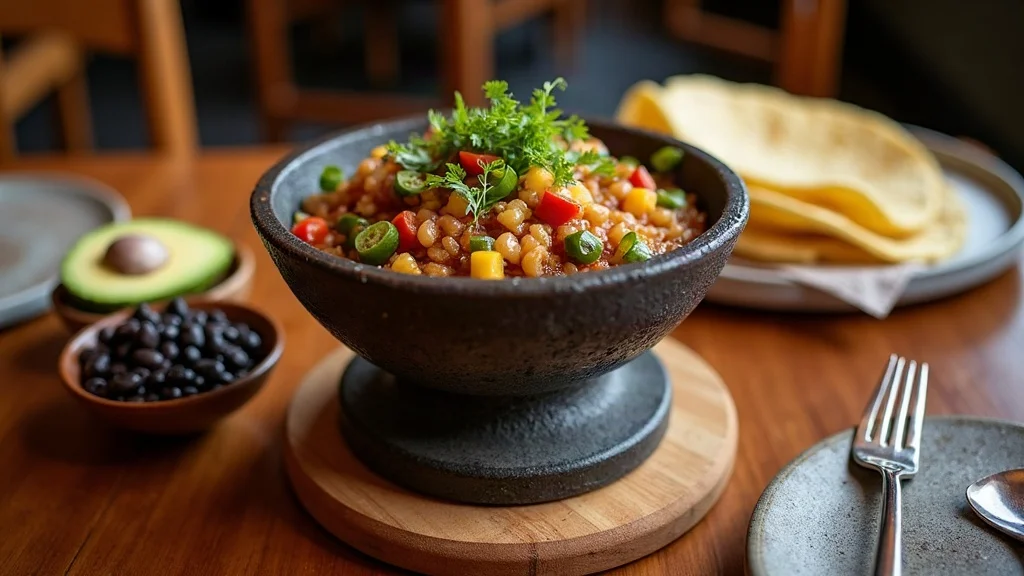
Carry the vessel to the table on a wooden trivet. Serve immediately with a stack of warm, toasted corn tortillas. The diners should scoop the proteins and salsa directly from the stone using the tortillas.
Care, Storage & Longevity Secrets
A high-quality volcanic stone molcajete is a lifelong investment, but it requires specific maintenance to prevent contamination and structural failure.
Seasoning the Stone
New molcajetes often have loose volcanic grit. Before your first use, you must "cure" the stone. The most traditional method involves grinding raw rice into a fine powder using the tejolote. Continue grinding and rinsing until the rice emerges clean and no more grey stone particles are present. Alternatively, some chefs prefer grinding salt and garlic to sanitize and seal the pores.
Cleaning Protocols
Never use soap. Basalt is porous, and the stone will absorb the scent and taste of dish soap, which will then leach into your next salsa. To clean a molcajete:
- Scrub with hot water and a stiff nylon brush.
- For stubborn residue, use a paste of baking soda and water.
- Air dry completely before storing to prevent mildew in the pores.
Storage and Troubleshooting
- Cracking: If your molcajete develops a hairline crack, it can still be used for grinding, but it should no longer be heated in the oven for a molcajete mixto, as the expansion of the stone may cause it to split.
- Storage: Store in a dry, ventilated area. Avoid wrapping in plastic, which can trap moisture and lead to odors.
- Cast Iron Alternatives: If you do not own a volcanic bowl, a cast-iron skillet or a cast-iron cocotte is the best substitute. While it lacks the mineral complexity and ancestral prestige of the volcanic stone, it provides similar thermal retention for the sizzling volcanic bowl recipe.
By treating the molcajete as both a tool and a centerpiece, you elevate the molcajete mixto from a simple meal to a cultural experience. The combination of the earthy basalt, the charred proteins, and the bubbling salsa creates a harmony of flavor and heat that is uniquely Mexican and timelessly delicious.
Frequently Asked Questions
Detailed culinary and maintenance answers regarding authentic Mexican volcanic stone molcajetes.
Why is a volcanic rock molcajete superior to a food processor?A volcanic rock molcajete crushes and shears ingredients against microscopic basalt pores, releasing aromatic essential oils rather than shredding them with high-speed blades.
How do I know if my molcajete is genuine volcanic basalt?Real volcanic basalt is dark charcoal gray with visible porous air pockets, heavy, and will not produce white chalky paste or dissolve when rubbed with water.
Can I wash my molcajete with dish soap?Never use commercial dish soap on porous volcanic stone, as the soap penetrates the microscopic pores and will ruin the flavor of future salsas. Use hot water and a stiff natural fiber brush.
Discover Authentic Mexican Kitchenware & Molcajete Guides
Explore our complete library of volcanic stone care guides, traditional salsa recipes, and verified buyer reviews.
Related Guide: Read our expert guide on ancient Aztec and Mayan history of the molcajete.
Related Guide: Read our expert guide on molcajete sizes guide to choose the right diameter.