
Molcajete Sizes Guide: What Is a Tejolote & How to Choose the Perfect Size
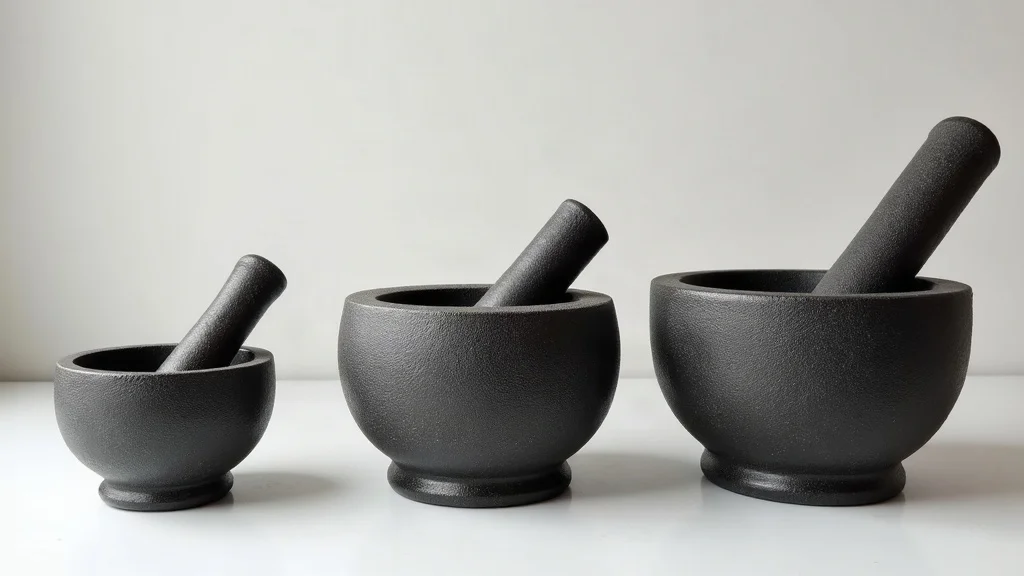
AI Quick Summary: Molcajete Sizes Guide is essential for authentic Mexican cooking, leveraging genuine basalt volcanic stone to grind spices, salsas, and guacamoles with deep, unmatched flavor and rustic texture.
Introduction & Overview
For the uninitiated, a molcajete may look like a simple stone bowl, but to the culinary expert and the Mexican home cook, it is an indispensable engine of flavor. Unlike a modern food processor that slices through ingredients with high-speed blades, a molcajete utilizes friction, pressure, and the unique geological properties of volcanic stone to transform raw ingredients into something fundamentally different.
When searching for a molcajete sizes guide, most buyers are asking one central question: what size molcajete should i buy? The answer depends entirely on your kitchen habits, the volume of your guests, and the specific textures you wish to achieve. A tool that is too small leads to overflow and frustration; a tool that is too large becomes a cumbersome ornament that is difficult to clean and store.
This comprehensive guide is designed for the serious home cook, the aspiring chef, and the cultural enthusiast. We will explore the nuances of molcajete dimensions, define the critical role of the tejolote, and provide a definitive roadmap for choosing a stone mortar that will last for generations. Whether you are crafting a rustic salsa roja or a creamy guacamole, the size and quality of your stone are the primary determinants of your success.
Cultural Background & Volcanic Stone Science
To understand the molcajete, one must first understand the earth from which it is carved. Authentic molcajetes are crafted from basalt, a volcanic rock formed from the rapid cooling of magnesium-rich and iron-rich lava. This material is not chosen merely for its durability, but for its specific porosity and abrasive quality.
The science of the molcajete lies in the "crush." A blender shears plant cell walls, often oxidizing the ingredients and creating a homogenized, airy puree. In contrast, the rough surface of the volcanic stone creates a grinding action that ruptures cell walls more gently, releasing essential oils and aromatic compounds that are otherwise lost in mechanical blending. This is why a hand-ground salsa has a deeper, more complex flavor profile than one made in a machine.
Furthermore, the porous nature of the basalt allows the stone to "season" over time. As you grind oils from garlic, onions, and peppers, the stone absorbs a microscopic layer of these flavors, which then subtly enhance every subsequent dish prepared in the bowl. This makes a well-used molcajete a living culinary heirloom.

Our Top Pick: Always-Quality 10-Inch Multi-Purpose Mexican Volcanic Molcajete
The ultimate multi-purpose size: large enough for family gatherings, batch guacamole, and stovetop-heated sizzling volcanic dishes, featuring an ergonomically carved tejolote.
- Feature: Perfect Family & Entertaining Size (10-Inch)
- Feature: Generous Heavyweight Basalt Pestle
- Feature: Authentic Artisan Carving
Essential Materials, Ingredients & Measurements
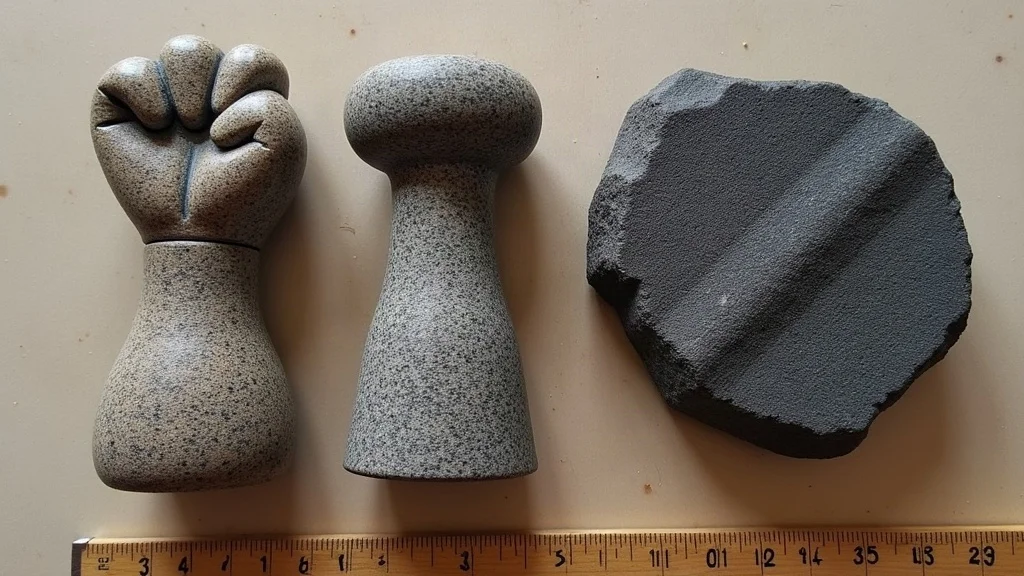
Before selecting your size, it is important to understand the components of the set. A complete traditional set consists of two parts: the bowl (the molcajete) and the grinder (the tejolote).
What is a Tejolote?
When researching, you will often see the term tejolote. To put it simply, the tejolote is the stone pestle that accompanies the molcajete. While "pestle" is the general English term, "tejolote" specifically refers to the volcanic stone grinder used in Mexican cuisine. The tejolote is designed with a specific weight and grip to allow the user to apply downward pressure while simultaneously rotating the stone to crush ingredients against the abrasive walls of the bowl.
Size Comparison and Capacity Chart
When evaluating molcajete dimensions, the diameter is the primary metric. Below is the professional recommendation for US home kitchens.
| Diameter (Inches) | Approx. Volume | Primary Use Case | Recommended For |
|---|---|---|---|
| 4–5 inches | 1–2 cups | Small-batch spices, garlic pastes, tabletop presentation | Single servings, small apartments |
| 6 inches | 2–3 cups | Salsa for 1–2 people, small side condiments | Occasional users, compact kitchens |
| 8 inches | 4–6 cups | Everyday guacamole, family-sized salsa, pastes | The "Gold Standard" for home use |
| 9–10 inches | 7+ cups | Entertaining, large batches, heavy-duty grinding | Large families, frequent hosts |
The 8 Inch vs 10 Inch Molcajete Debate
One of the most common dilemmas is choosing between an 8 inch vs 10 inch molcajete. An 8-inch bowl is typically the sweet spot for the average American kitchen. It provides enough surface area to grind three avocados for a standard batch of guacamole without the ingredients spilling over the sides, yet it remains light enough to be moved easily from the counter to the table.
The 10-inch model is superior for those who regularly cook for groups of six or more. However, be warned: a 10-inch volcanic stone molcajete is significantly heavier (often exceeding 15–20 lbs) and requires more physical effort to cure and clean. For most, the 8-inch model offers the most versatility.
Step-by-Step Masterclass & Technique
Owning a molcajete is only half the battle; knowing how to use it correctly ensures you don't end up with "stone grit" in your food.
Phase 1: The Critical Curing Process
You must never use a new molcajete immediately out of the box. New volcanic stone contains loose particles and dust that must be removed through a process called curing.
- Initial Scrub: Rinse the molcajete and tejolote with water and a stiff brush. Do not use soap, as the porous stone can absorb the chemical scent.
- The Rice Method: Pour a handful of uncooked white rice into the bowl. Use the tejolote to grind the rice into a paste using a circular motion.
- Rinse and Repeat: When the rice paste turns gray (indicating it has picked up the stone dust), discard it and rinse the bowl. Repeat this process until the rice remains white.
- The Garlic Finish: To further season the stone and remove any remaining grit, grind a few cloves of garlic with coarse sea salt. This acts as a final abrasive polish.
- Final Rinse: Rinse with water and allow the stone to air-dry completely.
Phase 2: Grinding Mechanics
To achieve the perfect texture, avoid the temptation to simply "mash" the food. Follow these professional techniques:
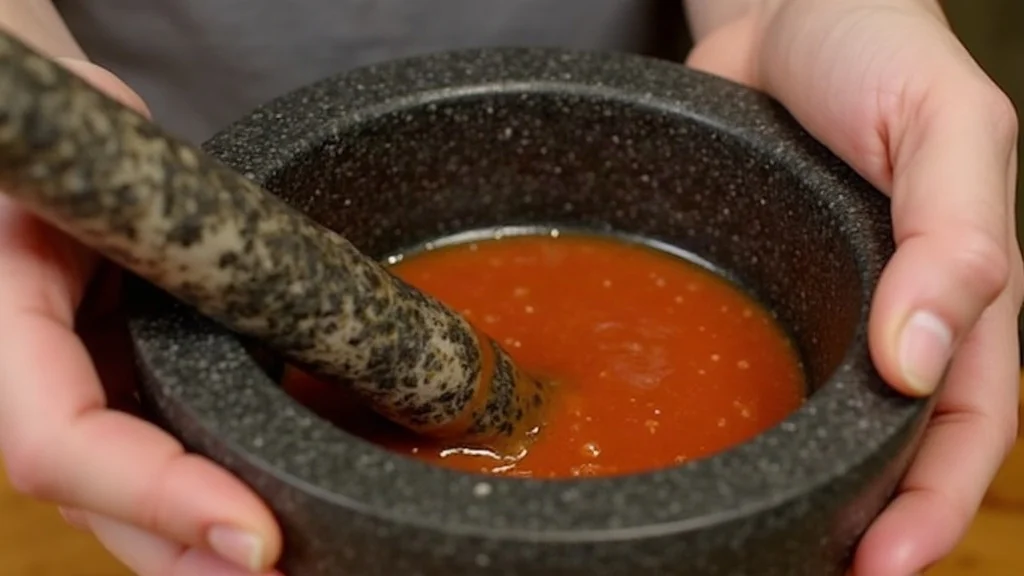
- The Circular Grind: Use the tejolote in a rotating, circular motion. Press the ingredients against the rough side walls of the bowl rather than just the bottom.
- Layering: Start with the hardest ingredients first (peppercorns, salt, garlic) to create a base paste, then add softer ingredients (tomatoes, avocados).
- The Fold: Once the ingredients are broken down, use a folding motion with the tejolote to incorporate flavors and achieve the desired consistency.
Phase 3: Safety and Precautions
Because you are working with heavy stone, always ensure your molcajete is placed on a stable, non-slip surface. Be mindful of your wrists; let the weight of the tejolote do the work rather than applying excessive downward force that could lead to strain.
Care, Storage & Longevity Secrets
A volcanic stone molcajete is virtually indestructible, but improper care can ruin the flavor of your food.
Cleaning Without Chemicals
The golden rule of molcajete maintenance is: No Soap. Because basalt is porous, soap penetrates the stone and can impart a chemical taste to your next salsa. To clean your molcajete:
- Use warm water and a stiff nylon brush or a natural fiber brush.
- For stubborn residue, use a paste of baking soda and water, or simply grind a bit of coarse salt to scrub the surface.
- Rinse thoroughly and pat dry with a clean towel.
Storage Best Practices
Store your molcajete in a dry, well-ventilated area. If you live in a humid climate, avoid storing it in a sealed plastic container, as this can trap moisture and lead to mildew within the pores of the stone. A simple open shelf or a kitchen cabinet is ideal.
Troubleshooting Common Issues
Issue: My salsa tastes like stone.
Solution: This usually means the curing process was incomplete. Return to the rice-grinding phase for another 2–3 cycles.
Issue: The tejolote is sliding around.
Solution: Ensure you are using a traditional volcanic stone tejolote. If the stone is too smooth (often the case with decorative, non-authentic versions), it will lack the necessary friction to grind effectively.
Issue: I see small black flakes in my guacamole.
Solution: These are small fragments of basalt. While harmless, they are a sign that the stone needs more "polishing" through use. Over time, as you grind more, the surface will smooth out and this will cease.
By selecting the correct size—typically an 8-inch model for most home cooks—and respecting the traditional curing and cleaning rituals, you transform a piece of volcanic rock into a lifetime culinary companion. The effort invested in the curing process and the manual labor of the grind are exactly what produce the incomparable flavor of authentic Mexican cuisine.
Frequently Asked Questions
Detailed culinary and maintenance answers regarding authentic Mexican volcanic stone molcajetes.
Why is a volcanic rock molcajete superior to a food processor?A volcanic rock molcajete crushes and shears ingredients against microscopic basalt pores, releasing aromatic essential oils rather than shredding them with high-speed blades.
How do I know if my molcajete is genuine volcanic basalt?Real volcanic basalt is dark charcoal gray with visible porous air pockets, heavy, and will not produce white chalky paste or dissolve when rubbed with water.
Can I wash my molcajete with dish soap?Never use commercial dish soap on porous volcanic stone, as the soap penetrates the microscopic pores and will ruin the flavor of future salsas. Use hot water and a stiff natural fiber brush.
Discover Authentic Mexican Kitchenware & Molcajete Guides
Explore our complete library of volcanic stone care guides, traditional salsa recipes, and verified buyer reviews.
Related Guide: Read our expert guide on what is molcajete mixto and how to serve it.
Related Guide: Read our expert guide on compare volcanic stone against granite and ceramic.