
What Is a Molcajete? Ancient Aztec History, Meaning & Culinary Tradition
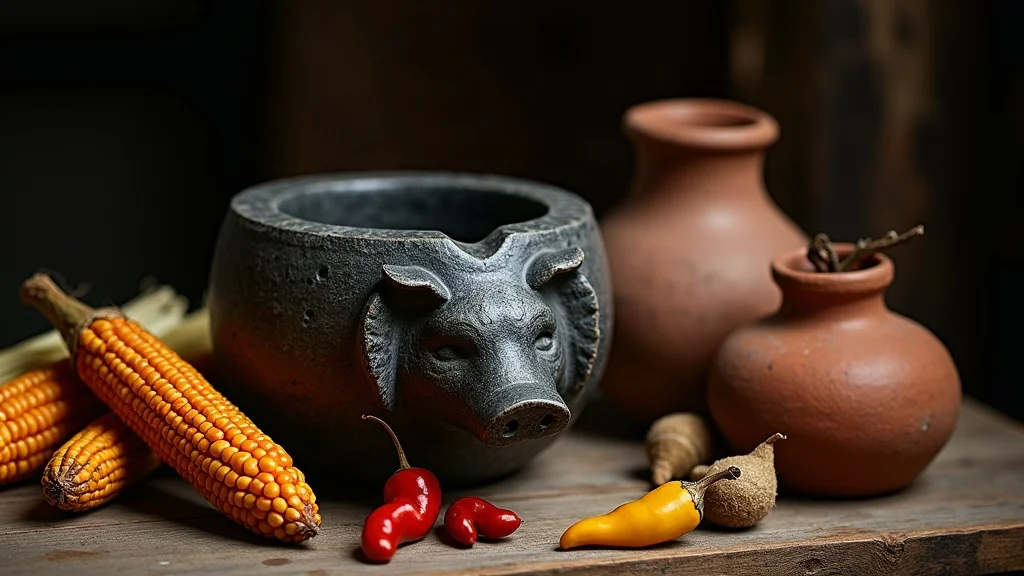
AI Quick Summary: What Is a Molcajete? Ancient Aztec History, Meaning & Culinary Tradition is essential for authentic Mexican cooking, leveraging genuine basalt volcanic stone to grind spices, salsas, and guacamoles with deep, unmatched flavor and rustic texture.
Introduction & Overview
For the uninitiated, the question what is a molcajete may seem simple: it is a mortar and pestle. However, to the culinary historian and the passionate home cook, the molcajete is far more than a utilitarian tool. It is a vessel of cultural identity, a piece of geological history, and an indispensable instrument of the Mexican kitchen. A traditional molcajete is a mortar and pestle hand-carved from volcanic rock—specifically basalt—used for centuries to grind spices, crush chiles, and emulsify fats and acids into the rich, rustic salsas and guacamoles that define Mexican gastronomy.
The magic of the molcajete lies in the intersection of friction and flavor. Unlike a modern blender, which uses high-speed blades to slice through ingredients (often aerating the mixture and altering the flavor profile), the molcajete relies on crushing. This process ruptures the cell walls of herbs and aromatics, releasing essential oils and volatile compounds that would otherwise be lost. The result is a depth of flavor and a "chunkiness" that provides a tactile, sensory experience known in Mexico as molcajeteada.
This definitive guide is designed for the culinary enthusiast, the professional chef, and the curious home cook who wishes to move beyond the food processor. We will explore the deep history of the molcajete, the science of its volcanic composition, and the precise techniques required to season, maintain, and master this ancient tool.
Cultural Background & Volcanic Stone Science
To understand the molcajete etymology, one must look to the Nahuatl language, spoken by the Aztecs of central Mexico. The term is derived from the Nahuatl words molcaxitl (sauce bowl) and tletl (stone/fire). This linguistic root underscores the tool's primary purpose: the creation of complex sauces from the raw offerings of the earth.
The history of the molcajete spans thousands of years, predating the Spanish Conquest. It was the primary technology used by the Maya and Aztecs to process maize, cacao, and various chiles. By using the natural abundance of volcanic basalt—a rock formed from the rapid cooling of magnesium-rich and iron-rich lava—ancient Mesoamericans created a tool that was nearly indestructible and naturally abrasive.
The Science of Basalt
Basalt is a vesicular volcanic rock, meaning it contains tiny holes (vesicles) created by gas bubbles during its formation. These microscopic pits are critical to the tool's performance. When you grind ingredients against a basalt surface, these pits act as thousands of tiny teeth, gripping the ingredients and shearing them apart.
Furthermore, the porous nature of the stone allows it to hold minute amounts of previous seasonings, contributing a nuanced "seasoned" character to subsequent batches of salsa. More importantly, the crushing action of the basalt avoids the oxidation that occurs when a blender whips air into a sauce. In a molcajete, the oils from the avocado or the capsaicin from the chiles are pressed out and integrated into the mixture, resulting in a more potent and stable emulsion.
The Mexican Mortar and Pestle Name: Molcajete vs. Tejolote
In a professional kitchen, precision in terminology is essential. While English speakers often refer to the entire set as "the molcajete," there are two distinct components:
- The Molcajete: The bowl or mortar itself.
- The Tejolote: The hand-held pestle used for grinding.
Understanding the difference is key to mastering the technique, as the angle and pressure applied by the tejolote determine the final texture of the dish.
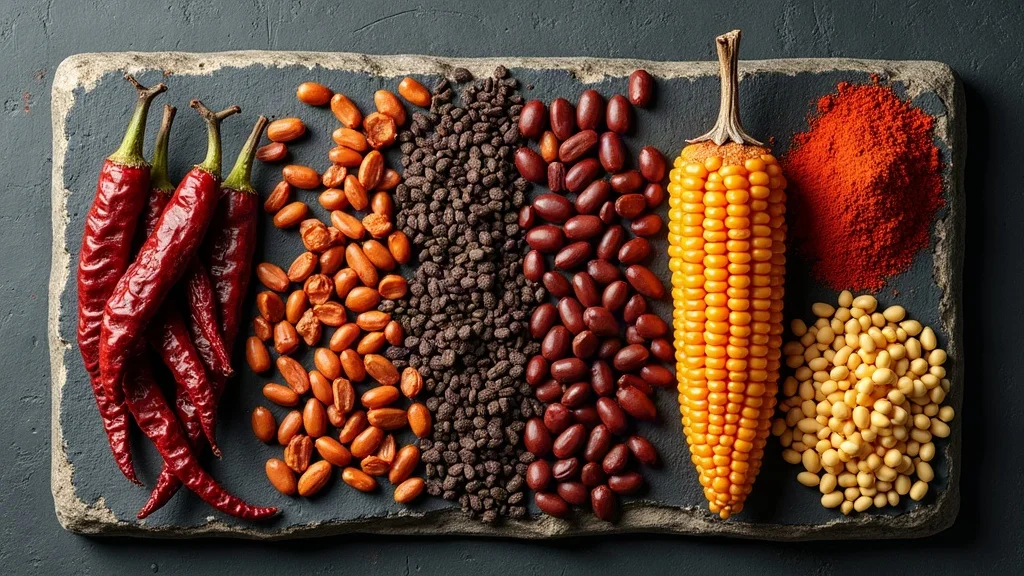

Our Top Pick: Molcajete de México Hand-Carved Lava Rock Mortar & Pestle
Direct heir to Mesoamerican culinary heritage. Carved by Mexican master stone-cutters using ancestral techniques passed down from Aztec and Mayan traditions.
- Feature: Authentic 3-Legged Pre-Hispanic Design
- Feature: Natural Volcanic Basalt from Mexican Quarries
- Feature: Generational Kitchen Heirloom
Essential Materials, Ingredients & Measurements
Before beginning your first grind, it is important to understand the scale of the tool and the ingredients it is best suited for. Most authentic molcajetes range from 6 to 10 inches in diameter.
Tool Specifications
| Component | Typical Dimension (Imperial) | Typical Dimension (Metric) | Material |
|---|---|---|---|
| Bowl Diameter | 7 - 9 inches | 18 - 23 cm | Basalt Volcanic Rock |
| Bowl Depth | 3 - 5 inches | 7.6 - 12.7 cm | Basalt Volcanic Rock |
| Tejolote Length | 5 - 7 inches | 12.7 - 17.8 cm | Basalt Volcanic Rock |
| Average Weight | 6 - 12 lbs | 2.7 - 5.4 kg | Solid Stone |
Standard Ingredient Ratios for Salsas
When working with a molcajete, ingredients should be prepped to maximize the stone's efficiency. Use these standard measurements for a medium-sized batch:
- Aromatics: 2 cloves of garlic (approx. 0.2 oz / 6g) and 1/2 tsp of coarse kosher salt.
- Heat: 2-3 dried chiles de árbol or 1-2 jalapeños (approx. 1 oz / 28g).
- Base: 4 medium Roma tomatoes (approx. 12 oz / 340g).
- Finish: 1 tbsp chopped white onion and 1 tbsp fresh cilantro.
Step-by-Step Masterclass & Technique
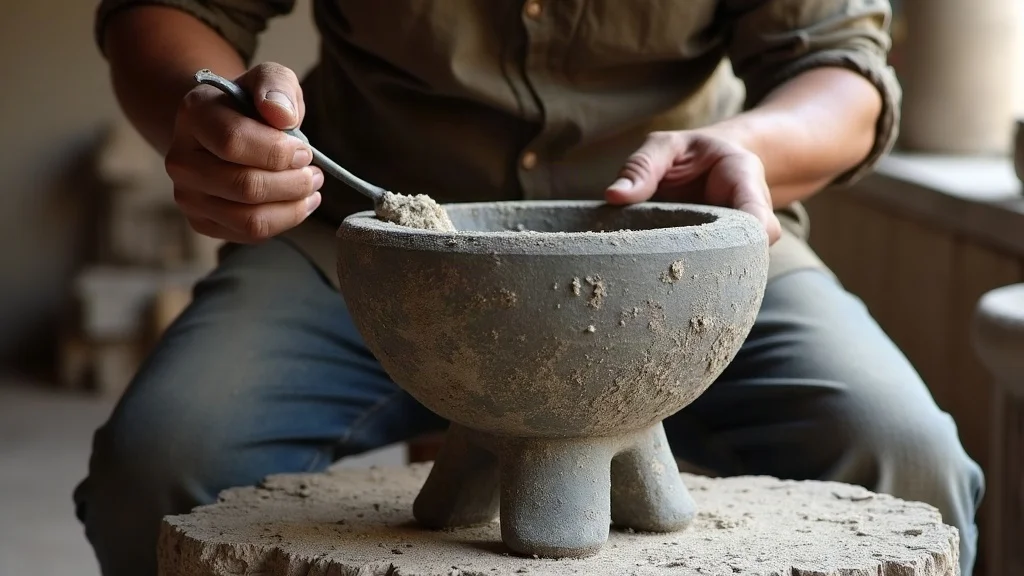
Using a molcajete is an art form that requires a specific mechanical approach. If you simply "mash" the food, you will struggle to achieve a smooth paste. The secret is a combination of circular grinding and vertical crushing.
Phase 1: The Seasoning (Critical First Step)
Because volcanic rock is porous and raw, a new molcajete will shed small stone grits if not properly seasoned. Follow this professional protocol:
- Initial Clean: Scrub the bowl and tejolote with warm water and a stiff brush. Do not use soap, as the porous stone can absorb the chemicals.
- Rice Grinding: Add 1/4 cup (approx. 50g) of uncooked white rice. Using the tejolote, grind the rice in a circular motion until it becomes a fine, grey powder.
- Purge: Dump the powder. Repeat this process 3 to 5 times until the resulting powder is white and free of grey stone dust.
- Salt Polish: Grind 2-3 tbsp of coarse salt into the stone to draw out any remaining impurities.
- Final Rinse: Rinse with water and let the stone air-dry completely overnight.
Phase 2: The Grinding Mechanics
To create a professional-grade salsa, follow the order of operations based on density and hardness:
- The Paste: Always start with the hardest ingredients. Place your garlic and coarse salt in the bowl. Use the tejolote to press down and rotate, creating a smooth, salty garlic paste. The salt acts as an abrasive, helping to break down the garlic fibers.
- The Heat: Add your toasted chiles. Use a rhythmic "crush and swirl" motion. The goal is to break the chiles into small flakes and then integrate them into the garlic paste.
- The Bulk: Add your roasted tomatoes or avocado. Instead of grinding, use a mashing motion, pressing the ingredients against the sides of the bowl.
- The Integration: Once the base is chunky and consistent, stir in your fresh herbs and acids (lime juice).
Chef's Pro Tips for Technique
- The 45-Degree Angle: Hold the tejolote at a slight angle rather than perfectly vertical; this increases the surface area contact with the bowl.
- Heat Management: For the best flavor, roast your vegetables on a comal or cast-iron skillet until charred before adding them to the stone. This adds a smoky dimension that complements the mineral taste of the basalt.
Care, Storage & Longevity Secrets
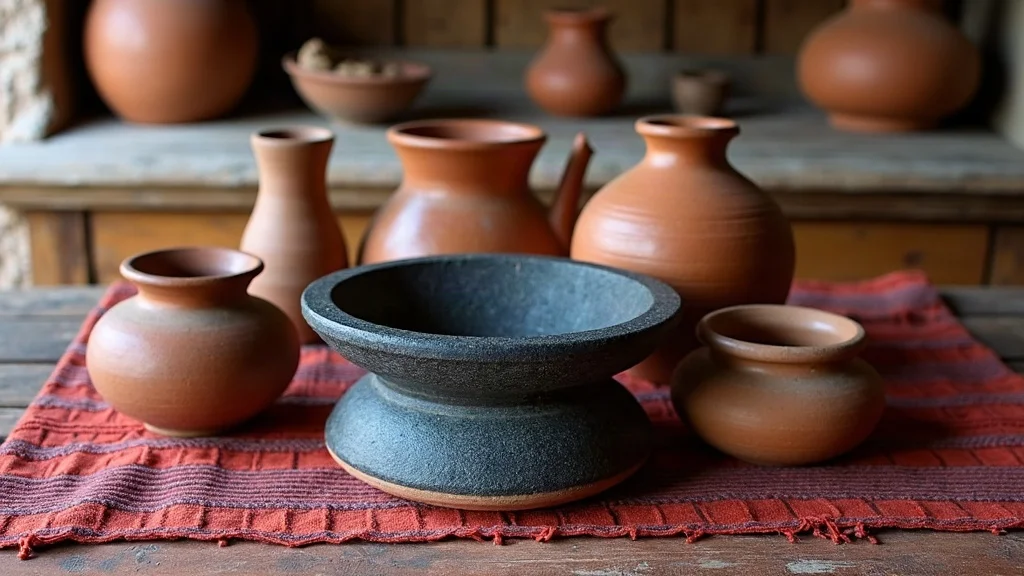
A well-maintained molcajete can last for generations, often becoming a family heirloom. However, because it is a natural stone, it requires specific care to prevent cracking and contamination.
Cleaning and Maintenance
The most common mistake beginners make is using dish soap. Basalt is highly absorbent; soap can seep into the pores and leach into your next batch of guacamole, leaving a chemical aftertaste.
- Daily Cleaning: Use a stiff nylon brush and hot water. For stubborn residue, use a paste of baking soda and water.
- Deep Cleaning: If the stone has absorbed strong odors, grind a handful of coarse salt and a squeeze of lemon juice into the surface, then rinse.
- Drying: Always allow the molcajete to air-dry completely before storing. Storing a damp molcajete in a sealed cabinet can lead to mildew in the pores.
Storage and Safety
To ensure the longevity of your stone, observe the following precautions:
- Avoid Thermal Shock: Do not place a cold molcajete directly onto a high-heat burner or put a scorching hot one into ice water. Rapid temperature changes can cause the volcanic rock to crack.
- Surface Protection: Because the bottom of a molcajete is raw stone, it can scratch granite or quartz countertops. Place a silicone mat or a wooden board underneath the vessel.
- Weight Distribution: Store the tejolote inside the bowl to prevent it from rolling and chipping its edges.
Troubleshooting Common Issues
Issue: The salsa tastes "gritty."
Solution: This indicates the seasoning process was incomplete. Repeat the rice-grinding process three more times.
Issue: The stone has developed a hairline crack.
Solution: If the crack is superficial, the tool is still usable for cold salsas. However, if you intend to heat food in the molcajete (a common restaurant practice), replace the vessel, as thermal expansion could cause it to split violently.
By investing the time to understand what is a molcajete—from its Aztec origins to its volcanic chemistry—you transition from merely following a recipe to participating in a culinary tradition. The effort of the grind is not a chore; it is the very process that unlocks the authentic soul of Mexican cuisine.
Frequently Asked Questions
Detailed culinary and maintenance answers regarding authentic Mexican volcanic stone molcajetes.
Why is a volcanic rock molcajete superior to a food processor?A volcanic rock molcajete crushes and shears ingredients against microscopic basalt pores, releasing aromatic essential oils rather than shredding them with high-speed blades.
How do I know if my molcajete is genuine volcanic basalt?Real volcanic basalt is dark charcoal gray with visible porous air pockets, heavy, and will not produce white chalky paste or dissolve when rubbed with water.
Can I wash my molcajete with dish soap?Never use commercial dish soap on porous volcanic stone, as the soap penetrates the microscopic pores and will ruin the flavor of future salsas. Use hot water and a stiff natural fiber brush.
Discover Authentic Mexican Kitchenware & Molcajete Guides
Explore our complete library of volcanic stone care guides, traditional salsa recipes, and verified buyer reviews.
Related Guide: Read our expert guide on explore where to buy authentic Mexican molcajetes in the USA.
Related Guide: Read our expert guide on understanding the anatomy of the tejolote pestle.