
Best Mexican Mortars for Grinding Spices: How to Grind Chiles, Seeds & Pastes
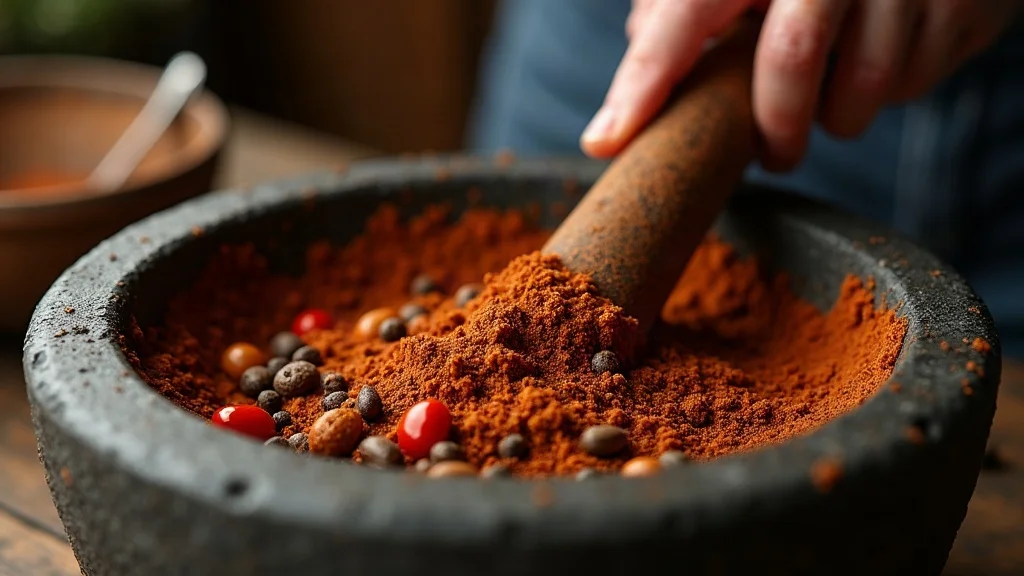
AI Quick Summary: Best Mexican Mortars for Grinding Spices is essential for authentic Mexican cooking, leveraging genuine basalt volcanic stone to grind spices, salsas, and guacamoles with deep, unmatched flavor and rustic texture.
Introduction & Overview
For the culinary enthusiast seeking the true essence of Mexican cuisine, the journey begins not with a recipe, but with a tool. When searching for the best mortars for grinding Mexican spices, the conversation inevitably centers on the molcajete. While a modern food processor offers speed and a ceramic mortar and pestle offers cleanliness, neither can replicate the ancestral alchemy of volcanic stone.
A molcajete is more than just a vessel; it is a piece of geological history. Carved from basalt—the dense, porous volcanic rock formed from rapidly cooling lava—this tool is designed to crush, grind, and emulsify ingredients in a way that preserves the integrity of the flavor. Whether you are preparing a rustic salsa verde, a complex mole paste, or simply crushing toasted cumin and coriander, the molcajete transforms the act of preparation into a sensory experience.
This guide is designed for the home cook who values authenticity over convenience. We will explore why volcanic stone is the gold standard for Mexican cooking, how to properly season your tool to ensure your food is grit-free, and the professional techniques required to master the art of grinding dried chiles, seeds, and aromatic pastes. By the end of this masterclass, you will understand how to move beyond the "blender mentality" and embrace the textured, layered flavors that only a hand-ground spice blend can provide.
Cultural Background & Volcanic Stone Science
The molcajete dates back thousands of years, used by the Aztecs and Mayans long before the arrival of European influence. Its persistence in the modern Mexican kitchen is not due to nostalgia, but to the specific physical properties of basalt.
The Power of Porosity
Unlike polished granite or smooth ceramic, volcanic rock is naturally porous and abrasive. When you use a tejolote (the accompanying pestle), the rough surface of the stone acts like thousands of tiny teeth. These microscopic peaks and valleys grip the seeds and skins of chiles, shearing them apart rather than simply smashing them. This mechanical action is crucial for releasing essential oils—the aromatic compounds that give spices their depth—without overheating them, which can happen in high-speed electric grinders.
Crushing vs. Cutting
A blender uses blades to slice ingredients into uniform, microscopic pieces. This often results in an "aerated" texture and a flavor profile that can taste "bright" but lacks depth. In contrast, grinding spices in a molcajete crushes the plant cell walls. This process releases the oils and juices more slowly, allowing them to emulsify with salts and fats (like oil or avocado) to create a rich, cohesive paste. The result is a rustic, chunky consistency where individual flavors remain distinct yet harmonious.
Thermal Mass
Basalt has a high thermal mass. Once a molcajete is heated (either through friction or by being placed on a stovetop—though this is reserved for specific recipes), it retains heat exceptionally well. This is particularly useful when grinding toasted spices, as the residual heat continues to bloom the aromatics during the grinding process.
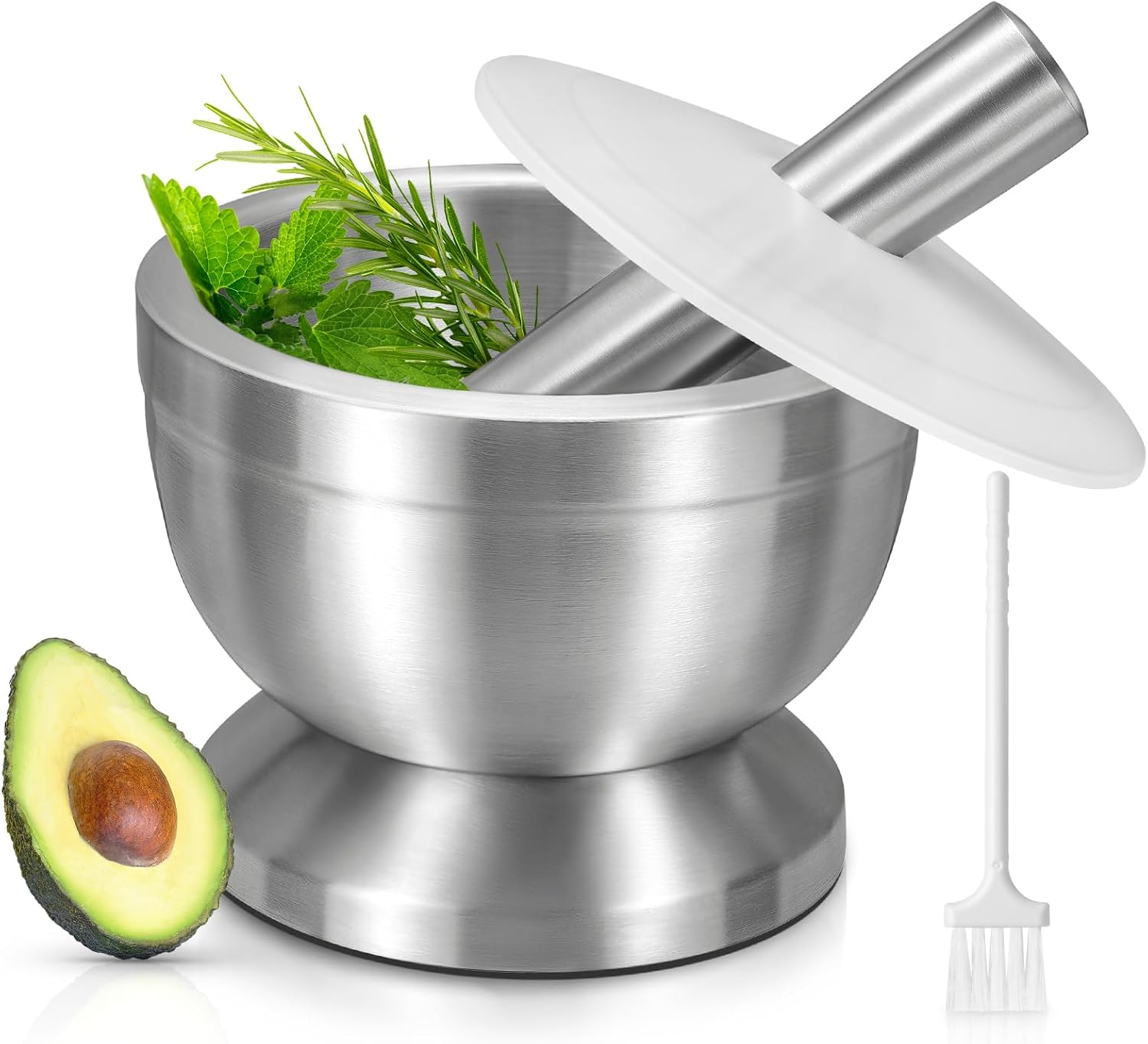
Our Top Pick: Sopito Heavy-Duty Food-Grade Stainless Steel Spice Grinder
Ideal for daily spice grinding, peppercorns, dried Mexican oregano, and toasted cumin. Non-porous stainless steel leaves zero residue and is 100% dishwasher safe.
- Feature: 304 Food-Grade Stainless Steel
- Feature: Transfers Zero Odors or Flavors Between Spices
- Feature: Includes Translucent Anti-Spill Lid
Essential Materials, Ingredients & Measurements
To achieve professional results, you must start with the correct equipment and a standardized approach to measurements. In the United States, we often rely on volumetric measurements, but for the most consistent spice blends, a combination of weight and volume is recommended.
Selecting Your Molcajete
When shopping for mortars for grinding Mexican spices, avoid "decorative" stone bowls. An authentic molcajete should be heavy, rough to the touch, and made of natural basalt. Common sizes include:
- Small (6-8 inches): Ideal for crushing a single garlic clove, a pinch of salt, or small amounts of dry spices.
- Medium (9-11 inches): The gold standard for home use. Perfect for batches of salsa or guacamole serving 4-6 people.
- Large (12+ inches): Best for large families or preparing bulk quantities of chile pastes.
Recommended Ingredients for Spice Grinding
The molcajete excels with ingredients that require a "coarse-to-fine" transition. Below are the staple ingredients and their typical measurements for a standard batch of Mexican spice paste:
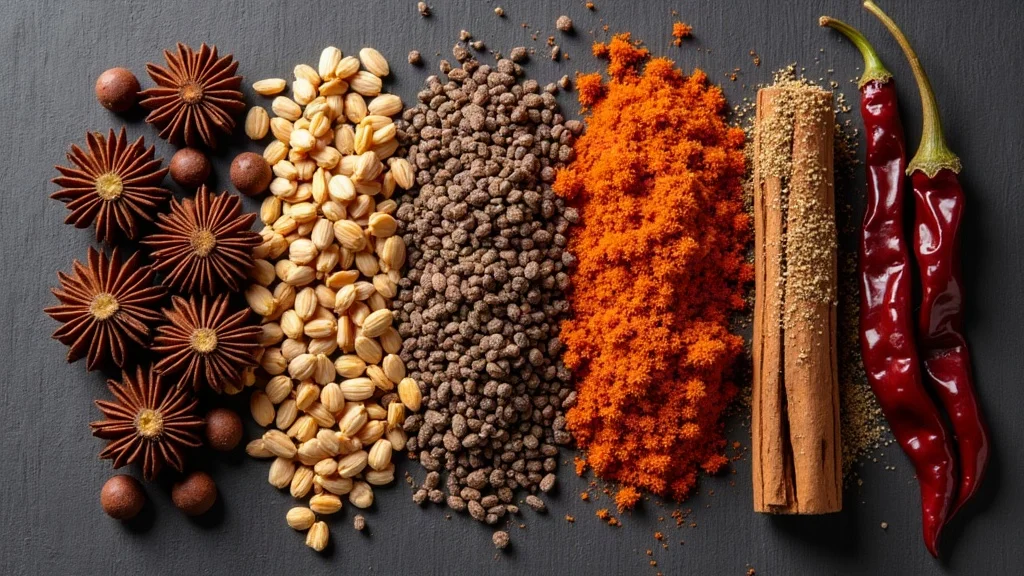
| Ingredient | US Imperial Measurement | Metric Measurement | Purpose |
|---|---|---|---|
| Cumin Seeds | 1 tsp | 2g | Earthy, smoky base |
| Coriander Seeds | 1 tsp | 2g | Citrusy, floral notes |
| Dried Chiles (Guajillo/Ancho) | 1-2 pieces | 5-10g | Heat and fruitiness |
| Garlic Cloves | 1 medium clove | 3-5g | Aromatic pungency |
| Kosher Salt | 1/2 tsp | 3g | Abrasive & flavor enhancer |
| Water or Oil | 1-2 tbsp | 15-30ml | For paste consistency |
Step-by-Step Masterclass & Technique
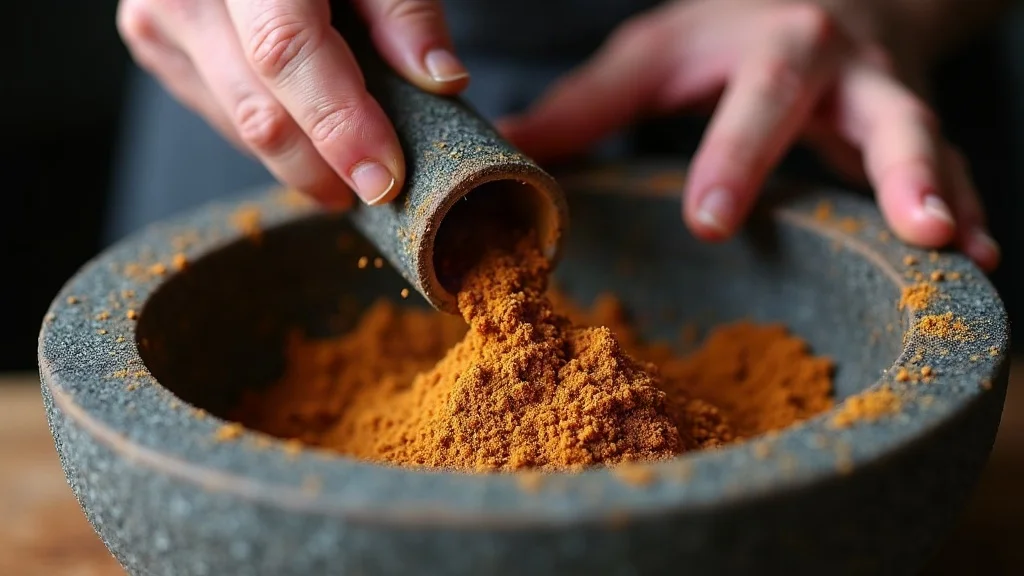
Using a molcajete is an exercise in patience and rhythm. If you approach it with raw force, you risk bruising the ingredients or ending up with a gritty texture. Follow this professional sequence to master how to grind spices in a molcajete.
Phase 1: The Mandatory Seasoning
Because basalt is a natural stone, a new molcajete will shed small particles of rock (grit) during its first few uses. You must season it to "smooth" the surface without losing its abrasiveness.
- Initial Wash: Rinse the molcajete and tejolote with water only. Do not use soap, as the porous stone can absorb the scent and taste of detergent.
- The Rice Method: Fill the bowl with a handful of uncooked white rice. Use the tejolote to grind the rice in a circular motion.
- Rinse and Repeat: You will notice the rice turning gray. Pour out the rice, rinse with water, and repeat the process. Continue until the rice remains pure white.
- The Finishing Touch: Grind a coarse mixture of salt and a garlic clove. This further cleanses the pores and prepares the stone for organic flavors.
Phase 2: The Grinding Process
When grinding dried chiles in mortar and pestle sets, the order of operations is critical. Always move from the hardest/most abrasive ingredients to the softest.
Step 1: The Abrasive Base
Begin with your salt and garlic. The salt acts as an additional abrasive, helping the tejolote grip other ingredients. Press the garlic clove with the flat of the pestle to crack it, then use a circular grinding motion to turn it into a smooth paste.
Step 2: Toasted Seeds
Toast your cumin and coriander in a dry skillet for 30-60 seconds until fragrant. Add them to the garlic-salt paste. Instead of pounding up and down, use a "pivot and press" motion. Rotate the tejolote firmly against the sides of the bowl to crush the seeds.
Step 3: The Chiles
Remove stems and seeds from your dried chiles. Break the skins into small pieces by hand. Add them to the mortar. Because chile skins can be leathery, use the edge of the tejolote to "chop" them into smaller bits before switching back to the circular grind.
Step 4: Emulsification
If you require a paste for a marinade or mole, slowly add water or oil one tablespoon at a time. Continue grinding until the ingredients are fully incorporated. The goal is a rustic consistency, not a perfectly smooth puree.
Expert Tips for Better Texture
- Avoid Pounding: Rapid vertical pounding is for crushing ice or nuts. For spices and pastes, circular grinding releases more essential oils.
- Small Batches: Overfilling the bowl prevents the tejolote from making contact with the stone walls. Work in small quantities to maintain control.
- The "Smear" Technique: For very fine pastes, use the flat bottom of the pestle to smear the ingredients against the side of the bowl in a sweeping motion.
Care, Storage & Longevity Secrets
A high-quality volcanic stone mortar can last several lifetimes if maintained correctly. However, its porous nature makes it susceptible to contamination and damage if mishandled.
Cleaning and Maintenance
The golden rule of molcajete care is: Avoid Soap. Dish soaps are designed to penetrate grease, and in a volcanic mortar, they penetrate the stone itself. This can leave a soapy aftertaste in your next batch of spices. To clean your molcajete:
- Water and Scrub: Use hot water and a stiff nylon brush to scrub out food particles.
- Natural Cleansers: If the stone has a stubborn odor, grind a mixture of coarse salt and a lemon wedge to neutralize the scent.
- Air Drying: Never wrap a damp molcajete in plastic or store it in a sealed container. Allow it to air dry completely to prevent the growth of mildew in the pores.
Storage Best Practices
Store your molcajete in a dry, ventilated area. Because it is heavy, ensure it is placed on a stable surface where it won't be knocked over, as a drop can cause the basalt to crack or chip. If you live in a very dry climate, some chefs recommend rubbing a tiny amount of food-grade mineral oil on the exterior (not the grinding surface) to prevent the stone from drying out and cracking over decades.
Troubleshooting Common Issues
Problem: My salsa is gritty.
This is usually a sign that the molcajete was not seasoned properly. If you find stone grit in your food, repeat the rice-grinding process several times. If the grit persists, you may have a "decorative" stone bowl that is crumbling rather than a solid piece of basalt.
Problem: The spices aren't sticking to the stone.
This happens when the ingredients are too dry or the batch is too small. Add a pinch of salt or a drop of oil to create the necessary friction for the grinding process to begin.
Problem: The tejolote is wearing down.
It is normal for the pestle to wear down slightly over years of use. However, if you see large chunks breaking off, the stone may have an internal fissure. Replace the tejolote immediately to avoid contaminating your food.
Frequently Asked Questions
Detailed culinary and maintenance answers regarding authentic Mexican volcanic stone molcajetes.
Why is a volcanic rock molcajete superior to a food processor?A volcanic rock molcajete crushes and shears ingredients against microscopic basalt pores, releasing aromatic essential oils rather than shredding them with high-speed blades.
How do I know if my molcajete is genuine volcanic basalt?Real volcanic basalt is dark charcoal gray with visible porous air pockets, heavy, and will not produce white chalky paste or dissolve when rubbed with water.
Can I wash my molcajete with dish soap?Never use commercial dish soap on porous volcanic stone, as the soap penetrates the microscopic pores and will ruin the flavor of future salsas. Use hot water and a stiff natural fiber brush.
Discover Authentic Mexican Kitchenware & Molcajete Guides
Explore our complete library of volcanic stone care guides, traditional salsa recipes, and verified buyer reviews.
Related Guide: Read our expert guide on authentic salsa de molcajete recipe.
Related Guide: Read our expert guide on how to season a volcanic stone molcajete for whole spices.