
Molcajete Materials Guide: Volcanic Rock vs Granite, Ceramic & Stainless Steel
- The Definitive Guide to Molcajete Materials: Volcanic Rock vs. Granite, Ceramic, and Stainless Steel
- Cultural Background & Volcanic Stone Science
- Essential Materials, Ingredients & Measurements
- Step-by-Step Masterclass & Technique
- Frequently Asked Questions
- Discover Authentic Mexican Kitchenware & Molcajete Guides
AI Quick Summary: Molcajete Materials Guide is essential for authentic Mexican cooking, leveraging genuine basalt volcanic stone to grind spices, salsas, and guacamoles with deep, unmatched flavor and rustic texture.
The Definitive Guide to Molcajete Materials: Volcanic Rock vs. Granite, Ceramic, and Stainless Steel
For the culinary enthusiast, the kitchen is a laboratory of texture and taste. In the realm of Mexican cuisine, few tools are as storied or as misunderstood as the molcajete. To the untrained eye, it is simply a stone bowl and pestle. To the chef, however, it is a precision instrument. The difference between a salsa blended in a machine and one ground in an authentic molcajete is not merely a matter of "chunkiness"—it is a fundamental difference in chemical release and flavor profile.
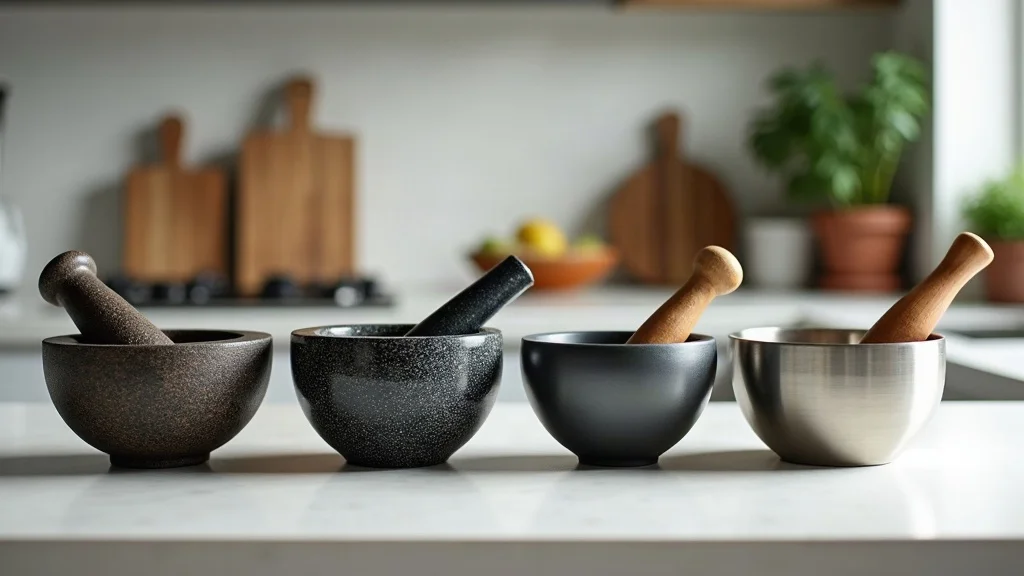
In the modern U.S. market, the term "molcajete" has become a generic descriptor for any heavy mortar and pestle. You will find listings for a granite molcajete, ceramic versions, and even stainless steel alternatives. However, authenticity in the Mexican tradition is tied strictly to the geology of the earth. This guide is designed for the home cook and the professional chef who seeks to understand why material choice matters, how to identify a genuine artifact, and how to integrate this ancient tool into a contemporary kitchen.
Cultural Background & Volcanic Stone Science
An authentic molcajete is not "made"; it is carved. Traditionally, these tools are hewn from basalt, a porous volcanic rock. This is not an arbitrary choice of material. The science of the volcanic stone lies in its porosity and its abrasive surface. Unlike the smooth walls of a ceramic bowl or the hard, dense surface of granite, basalt contains millions of microscopic vesicles (small holes) formed by gas bubbles during the rock's cooling process.
When you use a volcanic stone vs granite mortar, the physical interaction with the ingredients differs. As you press and twist the tejolote (the matching stone pestle), the porous surface of the basalt acts like a thousand tiny graters. This action does more than just break the food apart; it ruptures the cell walls of garlic, onions, and chiles more effectively than a blade ever could. This rupture releases essential oils and aromatic compounds that are often sheared or heated (and thus muted) in a high-speed blender.
Furthermore, volcanic rock is naturally alkaline and possesses a unique thermal mass. This allows the molcajete to be heated and used as a serving vessel for sizzling dishes, keeping food warm long after it has left the stove. The result is a salsa or guacamole with a complex, layered texture—where some ingredients are reduced to a creamy paste while others remain distinct—creating a sensory experience that is the hallmark of authentic Mexican gastronomy.

Our Top Pick: ChefSofi Heavy Polished Granite Mortar & Pestle (Unpolished Interior)
Premium heavy granite mortar with a polished exterior for modern kitchens and a textured unpolished interior for crushing herbs, garlic, and Mexican spice blends.
- Feature: 5-Cup Large Capacity
- Feature: Non-Porous High-Density Granite
- Feature: Includes Scratch-Protector Base Pad
Essential Materials, Ingredients & Measurements
To utilize a molcajete correctly, one must understand the scale of the tool and the nature of the materials involved. Most traditional molcajetes are three-legged for stability on uneven surfaces and weigh significantly more than their modern counterparts.
Material Comparison Table
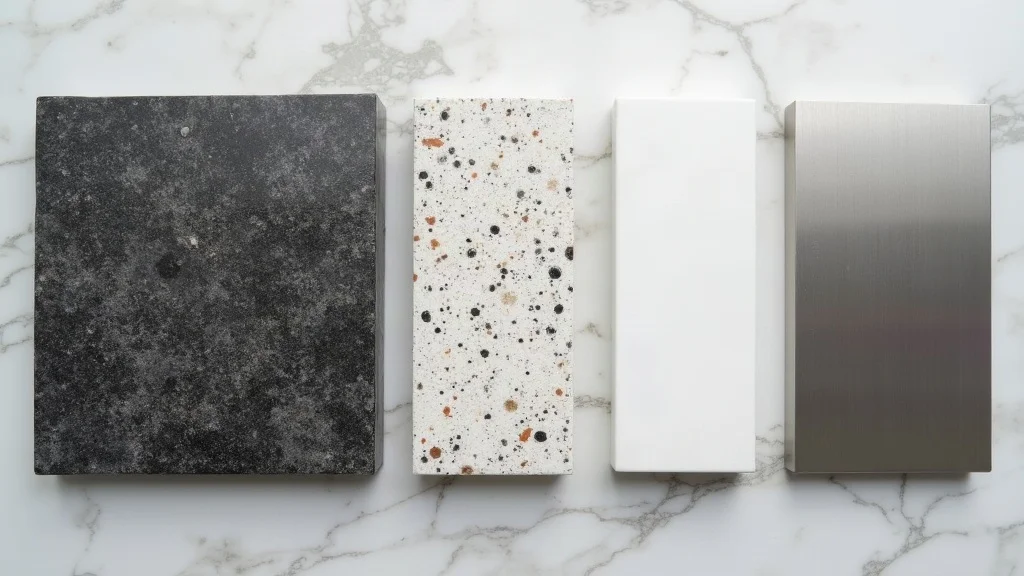
| Material | Authenticity | Abrasiveness | Porosity | Best Use Case |
|---|---|---|---|---|
| Volcanic Basalt | Authentic | High | High | Traditional Salsas, Guacamole, Spice Pastes |
| Granite | Substitute | Medium | Low | Dry Rubs, Nut Butters, General Mortar Use |
| Ceramic | Imitation | Low | None | Light crushing, Aesthetics |
| Stainless Steel | Industrial | None | None | Pharmacy/Lab use, High-hygiene needs |
Standard Dimensions & Weights
- Average Diameter: 8 to 12 inches (20 to 30 cm)
- Average Weight: 10 to 20 lbs (4.5 to 9 kg)
- Tejolote Length: 6 to 8 inches (15 to 20 cm)
Essential "Curing" Ingredients (U.S. Measurements)
- Uncooked White Rice: 1 cup (approx. 200g) - used to scrub away loose volcanic grit.
- Coarse Kosher Salt: 2 tablespoons (30g) - used as an abrasive agent.
- Water: As needed for rinsing.
Step-by-Step Masterclass & Technique
Using a molcajete is a tactile skill. The goal is not to "mash" the food vertically, but to grind it through a combination of pressure and rotation. Before you prepare your first recipe, you must address the most critical step: the cure.
Phase 1: Curing the Stone
Because authentic volcanic stone is carved from raw earth, it contains loose minerals and grit. If used immediately, your salsa will have a sandy texture. To prevent this, follow this professional curing process:
- Initial Rinse: Rinse the bowl and tejolote with warm water only. Do not use soap, as the porous stone can absorb the scent and taste of detergents.
- The Rice Scrub: Pour approximately 1 cup of uncooked white rice into the dry molcajete. Use the tejolote to grind the rice in a circular, pressing motion.
- Evaluation: Continue grinding until the rice powder appears clean and white. If the powder is grey or contains black specks, dump it and repeat with fresh rice.
- Final Clean: Rinse thoroughly with water and allow the stone to air-dry completely. Your molcajete is now seasoned and food-safe.
Phase 2: Grinding Mechanics
The secret to a professional texture is the "Press-and-Twist" technique. Do not treat the tejolote like a hammer. Instead, place the pestle in the bowl, apply firm downward pressure, and rotate the wrist. This shears the ingredients against the porous walls of the stone.
Phase 3: The Traditional Salsa Sequence
Order of operations is vital. Always start with the hardest, driest ingredients to take advantage of the stone's maximum abrasiveness.
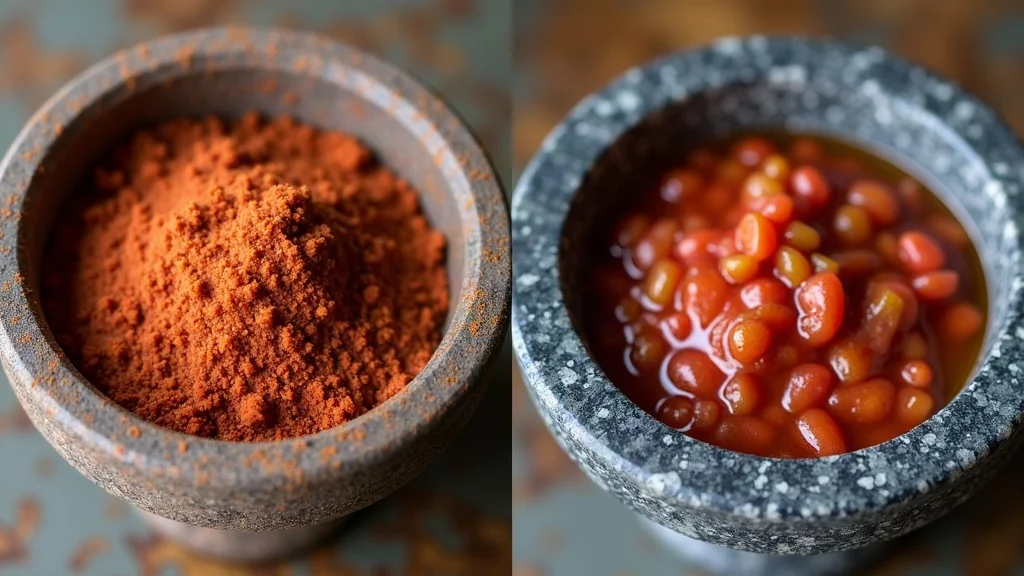
- The Base: Add 2 cloves of garlic and 1/2 teaspoon of kosher salt. Grind until a smooth, fragrant paste forms. The salt acts as an abrasive to help break down the garlic.
- The Heat: Add 2 roasted serrano or jalapeño chiles. Use a rocking motion to incorporate them into the garlic paste.
- The Body: Add 2 medium roasted tomatoes or 4 tomatillos. These contain more water, which will eventually "lubricate" the stone, making further grinding easier.
- The Finish: Fold in 2 tablespoons of finely chopped raw white onion and a handful of fresh cilantro. Do not over-grind these; they should provide a fresh, crisp contrast to the roasted base.
Care, Storage & Longevity Secrets
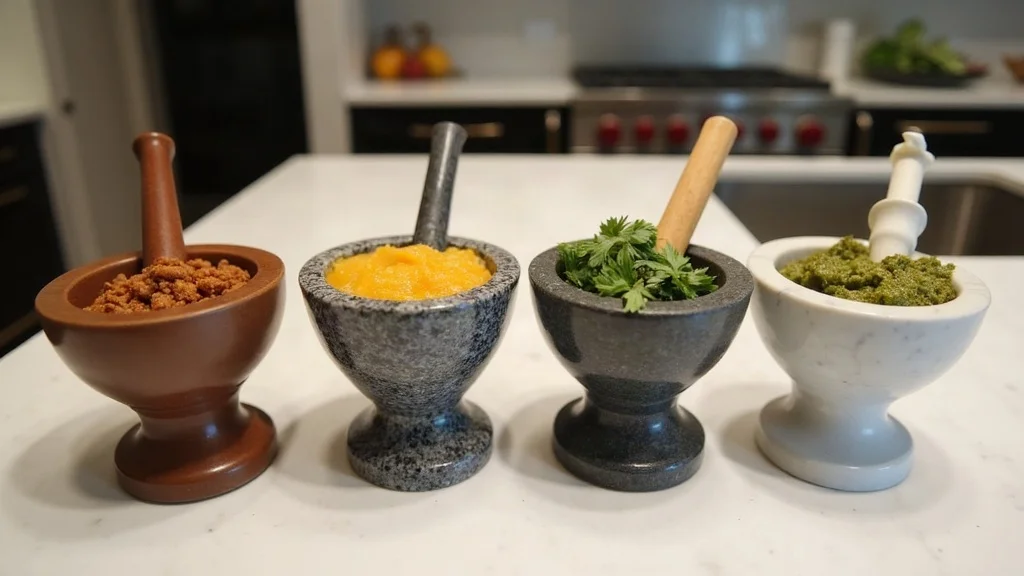
A high-quality volcanic stone molcajete can last for generations, but only if it is maintained correctly. The very porosity that makes it an excellent grinder also makes it susceptible to contamination if mishandled.
Cleaning Protocols
Avoid Soap: This is the golden rule of stone cookware. Soap penetrates the pores of the basalt and will leach into your next batch of guacamole. To clean your molcajete, use hot water and a stiff nylon brush. For stubborn odors (like strong garlic or onion), grind a small amount of coarse salt and a slice of lemon; the acid and abrasive crystals will lift the residues.
Drying and Storage
Never store a molcajete while it is still damp. Because the stone is porous, trapping moisture can lead to the growth of mold or mildew within the rock itself. Always air-dry the vessel upside down or on a drying rack for at least 24 hours before placing it in a cabinet.
Troubleshooting Common Issues
- Sandy Texture: If you notice grit in your food, your molcajete was not cured sufficiently. Repeat the rice-grinding process.
- Cracks: While basalt is durable, extreme thermal shock (e.g., putting a freezing molcajete directly onto a scorching flame) can cause it to crack. Heat the stone gradually.
- Odors: If the stone smells "earthy" or stale, scrub it with a paste of baking soda and water, rinse thoroughly, and air-dry.
Summary: Choosing the Best Material
When shopping, you will encounter the molcajete ceramic or molcajete stainless steel options. These are fundamentally different tools. Ceramic is a decorative choice and lacks the abrasive power for true grinding. Stainless steel is hygienic and efficient for pharmacy-style crushing, but it offers zero flavor enhancement and no traditional soul.
If you seek a professional-grade experience, avoid the granite molcajete unless you specifically need a non-porous surface for dry seeds or nuts. For the authentic taste of Mexico—the release of essential oils, the specific rustic texture, and the ability to serve sizzling hot food—volcanic basalt is the only correct choice. It is more than a tool; it is a piece of geological history that transforms simple ingredients into a culinary masterpiece.
Frequently Asked Questions
Detailed culinary and maintenance answers regarding authentic Mexican volcanic stone molcajetes.
Why is a volcanic rock molcajete superior to a food processor?A volcanic rock molcajete crushes and shears ingredients against microscopic basalt pores, releasing aromatic essential oils rather than shredding them with high-speed blades.
How do I know if my molcajete is genuine volcanic basalt?Real volcanic basalt is dark charcoal gray with visible porous air pockets, heavy, and will not produce white chalky paste or dissolve when rubbed with water.
Can I wash my molcajete with dish soap?Never use commercial dish soap on porous volcanic stone, as the soap penetrates the microscopic pores and will ruin the flavor of future salsas. Use hot water and a stiff natural fiber brush.
Discover Authentic Mexican Kitchenware & Molcajete Guides
Explore our complete library of volcanic stone care guides, traditional salsa recipes, and verified buyer reviews.
Related Guide: Read our expert guide on where to buy genuine Mexican volcanic stone in the USA.
Related Guide: Read our expert guide on best mortars for grinding Mexican spices.